West Milford dispensaries are changing how Passaic County shoppers think about quality flower. Most people still assume the best cannabis only comes from sealed indoor warehouses. That assumption misses a growing shift toward sun-grown and greenhouse cultivation across the state.
Growing cannabis under real sunlight brings genuine environmental and chemical benefits. Full-spectrum sunlight changes how a plant develops its terpenes and resin. Choosing these products becomes an active decision rather than a random pick off the shelf.
West Milford sits in a rural pocket of Passaic County where nature already shapes daily life. That same mindset now extends to how people choose their cannabis. Supporting local, sun-grown cultivators fits naturally into that culture.
New Jersey’s adult-use rollout moved fast, and large multi-state companies built massive indoor grow facilities almost overnight. These warehouses run enormous LED arrays and industrial HVAC systems around the clock. That kind of scale comes with a heavy environmental cost.
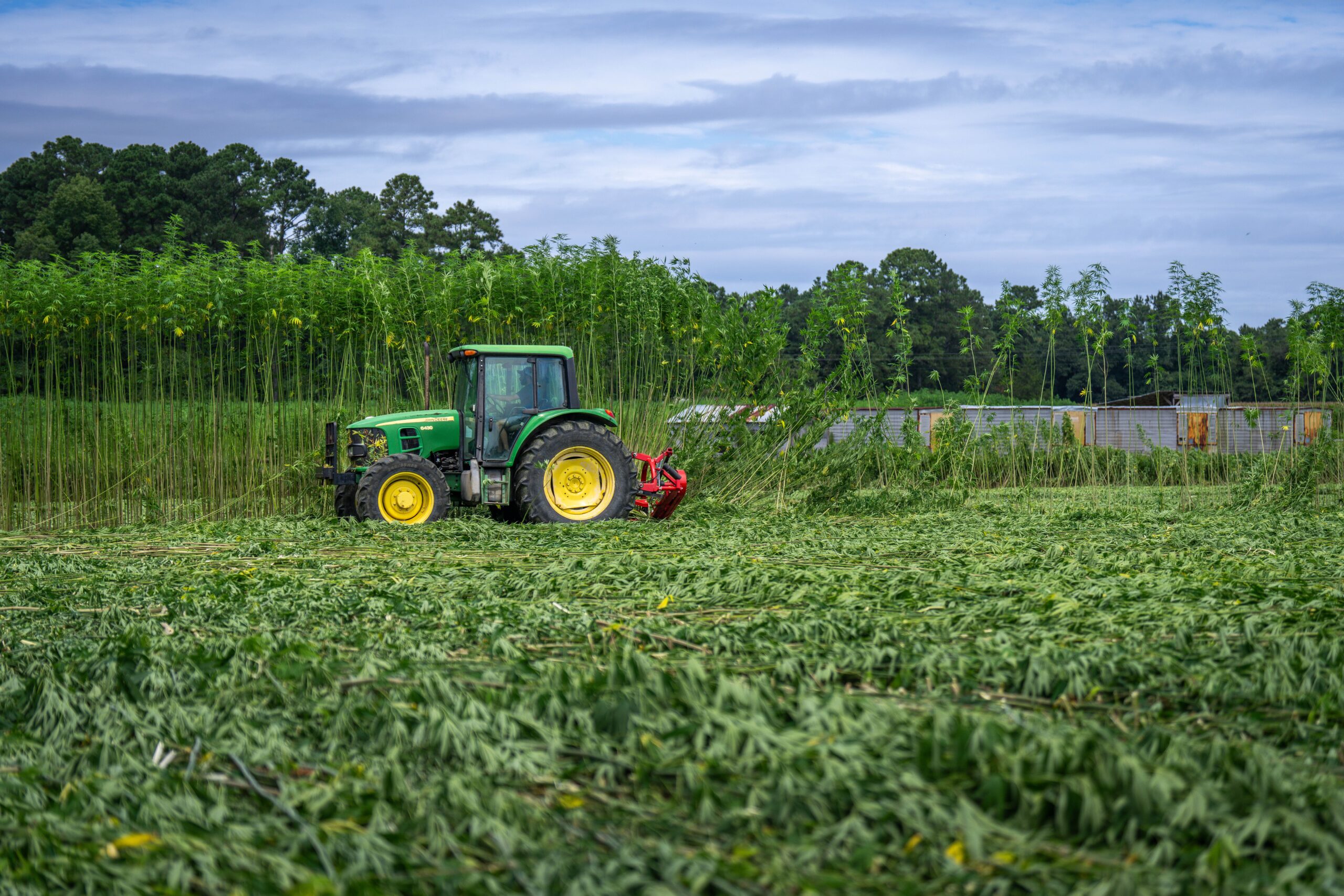
Independent, sun-grown operations offer a real alternative to that model. Smaller cultivators use greenhouses and natural light instead of nonstop artificial systems. Supporting these growers helps balance out the industrial footprint of the bigger players.
Indoor warehouse grows draw huge amounts of electricity every single day. Commercial LED arrays and industrial cooling systems run nonstop to keep conditions stable. That constant draw adds real strain to the regional power grid.
Hybrid greenhouses take a different approach entirely. They capture free solar radiation during the day and only supplement lighting when needed. This cuts down significantly on the energy load these farms place on local infrastructure.
Finding genuine sun-grown flower takes a bit of know-how before you shop. A few simple checks make the difference between guessing and buying with confidence.

New Jersey law creates a real financial hurdle for cannabis farms. Under the Cannabis Regulatory, Enforcement Assistance, and Marketplace Modernization Act (N.J.S.A. 24:6I-31 et seq.), cannabis cultivators cannot operate on land valued or taxed under the Farmland Assessment Act of 1964. The direct rule implementing this sits with the Cannabis Regulatory Commission under N.J.A.C. 17:30. That means these farms miss out on the standard tax breaks that traditional agriculture receives.
This gap raises the operating cost for every eco-friendly cannabis farm in the state. Without that agricultural tax relief, independent growers carry a heavier overhead than a typical fruit or vegetable farm. Every purchase from these local cultivators helps offset that extra financial pressure and keeps them in business.
Many sun-grown products blend primary cannabinoids with non-intoxicating compounds for a specific effect. This isn’t just about getting high anymore. These balanced options work more like functional tools for a particular part of your day.
CBG works well as an entry point for people who want physical ease without heavy sedation. It pairs naturally with THC to create a more balanced daytime option. Many shoppers find this combination clears their head rather than fogging it.
A 1:1 or 1:2 THC-to-CBG ratio suits busy days that need sustained focus. These ratios avoid the heavier, sleepy feeling that comes with THC-dominant products. That makes them a solid match for daytime tasks and errands.
New Jersey’s Cannabis Regulatory Commission sets strict rules for microbusiness cultivators. A microbusiness license caps employee counts at 10 people and limits growers to 1,000 mature plants each month. These rules exist specifically to protect small, independent operators from being crowded out.
Those size limits naturally push microbusinesses toward quality over volume. A small team growing a capped number of plants has to focus on doing it well. That structure is part of why many boutique, sun-grown brands come from microbusiness licenses.
A living cannabis plant reacts very differently to real sunlight than to artificial grow lights. Understanding that difference helps explain why sun-grown flower taste and smell the way they do.
| Light Source | Spectrum Variability | Impact on Plant Chemistry |
|---|---|---|
| Artificial Indoor Lighting | Fixed, narrow wavelengths built for biomass | Reliable yield, but can limit minor cannabinoid expression |
| Natural Full-Spectrum Sunlight | Dynamic wavelengths including UV-A and UV-B | Boosts terpene complexity and cannabinoid variety |
Natural ultraviolet exposure triggers a real defense response in the cannabis plant. The plant secretes a denser, more complex layer of resin glands to protect itself from UV stress. That resin carries a richer mix of terpenes and cannabinoids than a plant grown under fixed indoor light.
This chemical complexity shapes the entire consumer experience in a noticeable way. A more layered resin profile means a fuller, more textured flavor and effect. Single-compound isolates simply cannot recreate that same depth on their own.
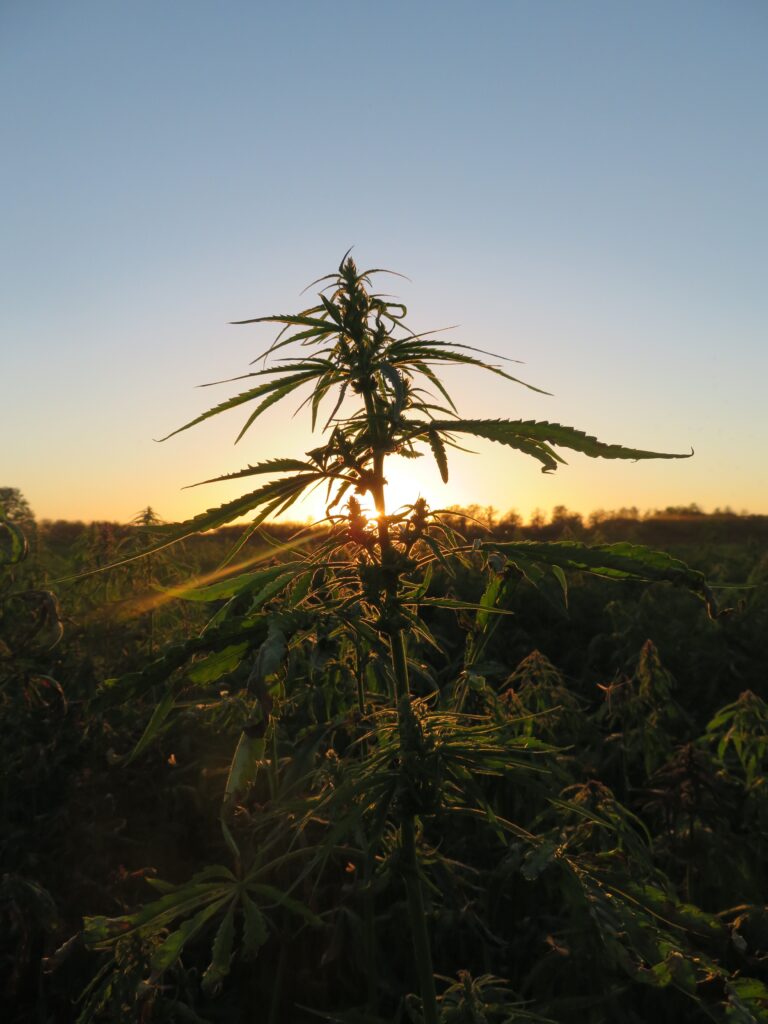
Northern New Jersey’s outdoor growing season runs from late spring through the first October frost. Cultivators plant in warmer months and harvest as the weather starts to cool. That seasonal rhythm shapes when the freshest greenhouse flower actually hits store shelves.
Checking production and packaging dates on the label helps you catch the best of that harvest. Flower packaged closer to the autumn harvest window tends to carry the most vibrant terpene profile. That freshness fades over time, so a recent date on the label is worth seeking out.
Sun-grown cannabis brings a handful of practical advantages that go beyond environmental impact. These differences show up directly in how the flower burns, tastes, and feels during a session.
Wind and natural solar cycles drive higher transpiration rates in outdoor and greenhouse plants. That constant airflow and light cycle keeps the plant’s internal processes more active than a stagnant indoor room. A more active plant clears out stored sugars and residual minerals more efficiently during the final flush.
That thorough flush shows up clearly once you smoke the flower. Sun-grown buds tend to burn down to a clean, white ash. Experienced consumers often point to that smooth, clean-burning inhale as one of the clearest signs of quality.
Indoor warehouse cultivation forces every strain into the exact same artificial humidity and temperature settings. Thousands of different genetics get flattened into one standardized growing script. That approach can strip away some of what made a strain unique in the first place.
Natural sun and native soil conditions let a strain express its true genetic character. Growers at west milford dispensaries who carry sun-grown lines can offer flavors closer to a strain’s original legacy profile. For connoisseurs chasing authentic flavor over homogenized commercial clones, that difference stands out immediately.
The natural shift from warm daytime sun to cool mountain evenings protects fragile compounds like THCA, CBDA, and CBGA. These raw acid forms are sensitive to heat and light stress. A gentle natural cooldown helps the plant hold onto them right up until harvest.
Indoor grow lights generate constant radiant heat that never really lets up. That ongoing heat can degrade and oxidize those same delicate compounds while the plant is still on the branch. Preserving those raw acids gives the final product a cleaner, more vibrant profile once you use it.
Finding a genuinely sustainable brand on a crowded dispensary menu isn’t always easy. Menus mix mass-produced indoor flower alongside small-batch, sun-grown options without much distinction between them.
A dedicated local storefront on Route 23 solves that problem directly. Elevated Herb curates its menu specifically to highlight transparent, independent New Jersey cultivators. That kind of retail filter saves shoppers the guesswork of digging through unclear product listings on their own.
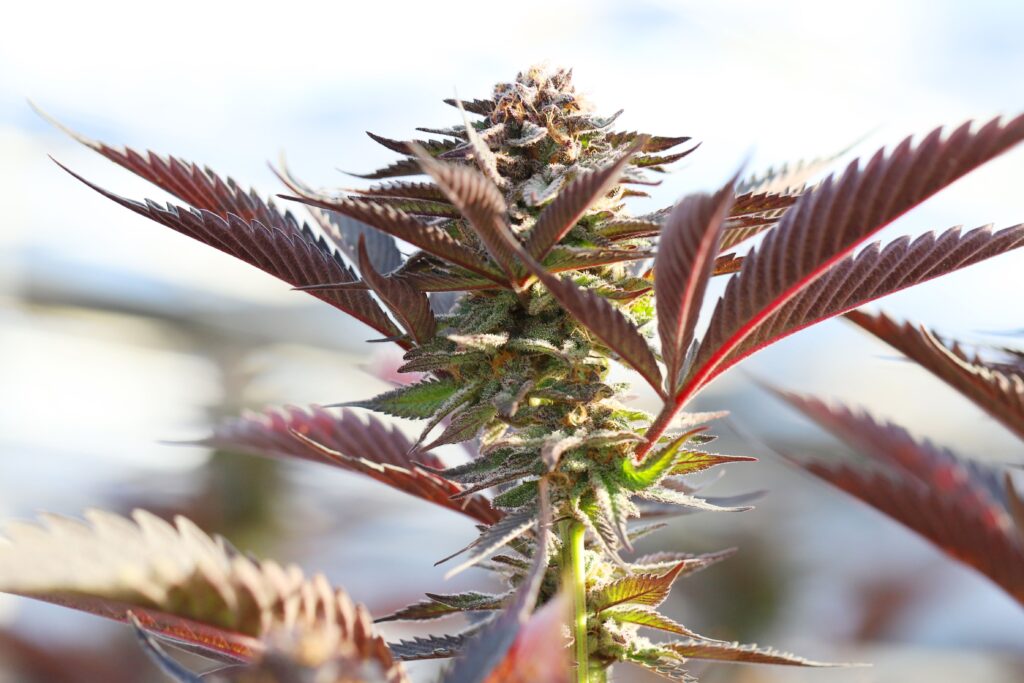
Choosing sun-grown and greenhouse cannabis supports a genuinely different growing philosophy than the industrial indoor model. It also puts real money behind independent New Jersey farms facing tougher tax conditions than traditional agriculture. These smaller cultivators rely directly on shoppers who care how their flower gets grown.
Checking license types, harvest dates, and lab results helps you shop with real confidence. That habit also helps keep Passaic County’s cannabis market varied, rather than dominated by a few large indoor operations. Always confirm current New Jersey cannabis laws before making a purchase, since rules can change.
No. New Jersey does not allow private residential cannabis growing of any kind. The CRC has confirmed it has no authority to permit home grow outside a licensed cultivation business. Anyone growing at home, even a single plant, falls outside current state law.
Yes. All licensed cannabis in New Jersey must pass state-mandated lab testing regardless of how it was grown. Sun-grown flower faces the same safety standards as any indoor product. That includes checks for pesticides, heavy metals, and microbial contamination before it ever reaches a menu.
Natural sunlight includes dynamic UV-A and UV-B wavelengths that indoor lights typically lack. That exposure triggers the plant’s own defense response, which builds a denser and more varied resin profile. Indoor lighting stays fixed and narrow, so it rarely pushes the plant to develop that same complexity.
Out-of-state visitors 21 and older can legally purchase from licensed New Jersey dispensaries. Transporting cannabis across state lines remains illegal under federal law, regardless of where it was purchased. It’s worth keeping any purchase within New Jersey to stay on the right side of the law.
Check the product description for mentions of outdoor, greenhouse, or sun-grown cultivation methods. Harvest dates and license class details on the listing can also point you toward independent, sustainable cultivators. Reaching out to the dispensary directly is always an option if the listing leaves anything unclear.