
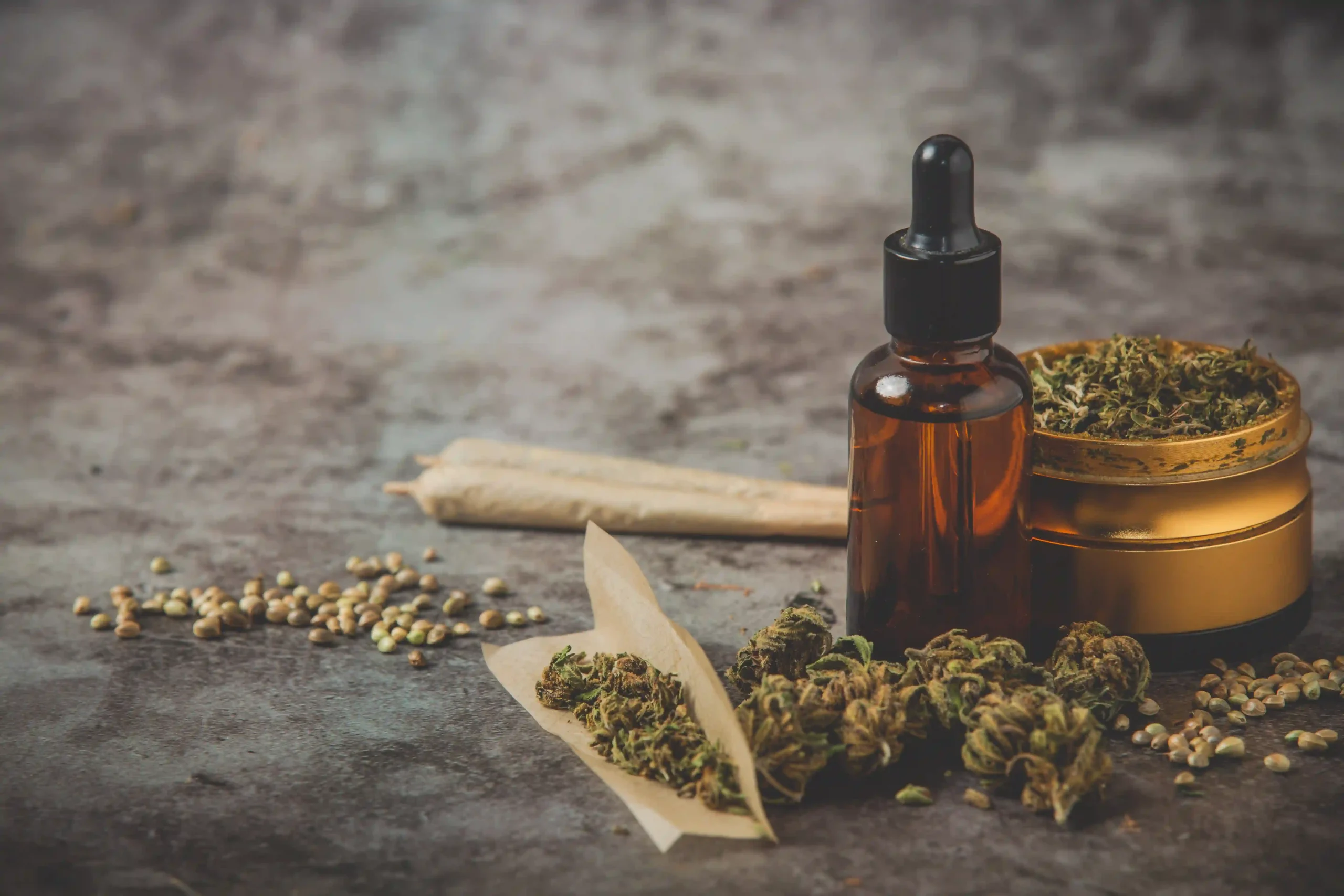
Spend enough time in Passaic County and certain smells become familiar: tomato vines in summer, basil from the garden, fresh evergreen, wet soil, and oak leaves in the fall. You notice when something smells fresh, and when life has gone out of it.
The same instinct comes in handy with cannabis flowers. As a 2022 study called The Nose Knows also found, a pleasant aroma was a better indicator of how appealing people found cannabis flower than the THC number on the label.
At Elevated Herb, a fully licensed West Milford dispensary on Route 23, shoppers can keep those familiar Highlands aromas in mind while exploring its curated craft flower selection. This guide connects Passaic County’s pine, earth, herb, and citrus notes with common terpene profiles, then explains what to check before choosing a batch.
Two strains can develop different flavors or aromas depending on how they grow and when they are harvested. That’s why, when it comes to North Jersey terpenes, it’s best to go for craft-oriented production.
Where the Smell Actually Comes From
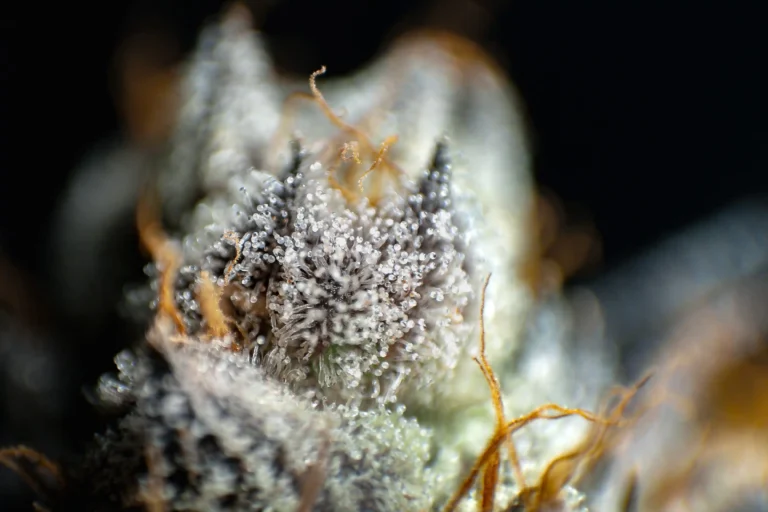
Cannabis develops terpenes in glandular trichomes, the resin-producing structures covering the flower. On average, terpene levels are about 2% by weight of cannabis flower. That’s why it requires greater meticulousness than other cannabinoids and volatile compounds.
Why Most of It Gets Lost Before You Smell It
After harvest, the flower must dry evenly before entering its cure. Too much moisture can encourage microbial growth, while over-drying can leave the buds brittle and cause terpenes to dissipate. The proper timing and handling can make a measurable difference. New research from 2024 confirms that flowers trimmed after drying retained higher terpene concentrations, mostly of the monoterpenes and sesquiterpenes examined.
Small-batch production takes more time but allows for a focused approach. They avoid commercial equipment that might harm terpene quality. Instead, they use traditional methods such as hand trimming, dark cold curing, and thoughtful packaging.
What survives the trip to the jar.
Since customers don’t see what happens during preparation, they can only tell whether terpenes are present once the package opens. A premium craft flower carries a distinct and deep aroma authentic to the strain. And what survives cultivation and post-harvest handling may interact with cannabinoids through what researchers call the entourage effect.
New Jersey takes plant flavor seriously, from Rutgers tomato tastings and backyard gardens to the food traditions found across the county. So, when it comes to choosing strains for their cannabis products, it really pays to know what terpenes pair best with whatever activity.
Pinene is the smell that sticks to your hands after you brush past an evergreen branch out near Long Pond or up around Bearfort Ridge, or the same sharp lift you get crushing a sprig of rosemary between your fingers. Alpha-pinene leans more piney and forward. Beta-pinene comes across drier, greener, closer to a cut herb than a Christmas tree.
In a finished flower, pinene rarely runs the whole show. It usually sits on top as a sharp first note, with something heavier underneath. Pop the jar and get that resinous lift before anything else hits you, and that’s pinene, and it’s also a decent sign the flower hasn’t gone stale, since that sharpness tends to fade first.
If a piney, herbal smell is what you want, look for pinene-forward on the label or menu. It won’t tell you how you’ll feel. It tells you what you’re about to smell.
Myrcene is the smell of the Highlands after a summer storm, wet oak leaves, and the heavy garden soil around Newfoundland and Oak Ridge. It’s also in cloves, bay leaf, and hops, so plenty of North Jersey cooks know this smell without knowing its name.
It’s the most common terpene in cannabis, but it’s rarely the first thing you notice when you open a jar. It sits underneath, the earthy base that everything else gets layered on top of. A profile that smells deep and grounded with something fruitier riding above it is usually myrcene plus whatever else is in the mix.
A high myrcene number on a label points toward that heavier, earthier character. But it’s best to read it alongside the rest of the terpene breakdown.
By the time summer reaches the lake communities around Greenwood Lake, citrus shows up everywhere: lemon squeezed over grilled food or a cooler filled with orange-flavored seltzer. Much of that familiar brightness comes from limonene.
Limonene brings that familiar zesty character to cannabis flowers. It can lean toward lemon or orange, but the rest of the profile decides where the aroma goes. Smaller volatile compounds may pull it toward tropical fruit, candy, or something sharper. Note also that bright citrus notes can be among the first qualities weakened by poor storage or an aging batch.
You will often see limonene associated with energy, focus, or stress relief potential. But its most dependable role is right there in the name: adding a brighter tang to cannabis products.
North Jersey changes character with the seasons. Use those familiar outdoor settings as a starting point when comparing craft flower strains and their current terpene labels. Note that these are not effect predictions. Rather, they’re good aromatic starting points.
The Highlands give you a shortcut: most of these aromas, you’ve already smelled somewhere in Passaic County, you just haven’t connected them to a jar yet.
Local outdoor activity | Time of year and surroundings | Terpene profile | Craft flower strain choice |
Returning to Apshawa Preserve after the thaw | Cool spring air, wet bark, and pine duff underfoot | Pinene with myrcene | Blue Dream |
Spending a summer afternoon around Greenwood Lake | Sun-warmed docks and citrus served with an outdoor meal | Limonene with caryophyllene | Super Lemon Haze |
Working in a Newfoundland or Oak Ridge garden | Damp foliage, culinary herbs, and soil after summer rain | Myrcene-forward | |
Walking through Long Pond Ironworks in autumn | Fallen oak leaves, weathered wood, and mineral earth | Myrcene with pinene | OG Kush |
Finishing outdoor chores on a West Milford winter evening | Cold evergreen air followed by citrus and cooking spices indoors | Limonene with caryophyllene | Purple Punch |
Note that none of these pairings are fixed. A Blue Dream from one cultivator won’t necessarily smell like a Blue Dream from another, and what’s on the shelf this month may not be there next month. Our advice: use the terpene- and aroma-first approach. If the relaxing piney direction sounds right, ask the budtender what’s currently testing pinene-forward—regardless of strain name.
Passaic County’s rich landscape, seasonal gardens, and culinary traditions foster familiarity with diverse scent profiles. However, a trained nose might know which palate or aroma it prefers without knowing the corresponding cannabis strain. At Elevated Herb, you can tell the budtender what you enjoy, then compare current cultivators and terpene labels. This helps you find the experience you’re looking for. That said, premium craft flower is worth considering because it prioritizes quality and gentler mechanical processes.
Terpenes contribute much of the pine, damp earth, herbal, and citrus character explored throughout this guide. THC tells a West Milford shopper more about potency than flavor or freshness.
Yes. At a licensed West Milford dispensary, budtenders can help compare current flowers by strain, cultivator, package date, and listed terpenes. Since strain chemistry varies between batches, ask what currently matches the aroma you prefer.
Production size alone does not determine aroma quality. Heat, light, oxygen, time, overdrying, rough handling, and poor storage can degrade volatile compounds in any flower. Larger production runs may make consistency harder, but the finished batch provides better evidence than the producer’s size.
Adults 21 and older may possess cannabis within New Jersey’s legal limits, but they cannot smoke or vape it at places such as Long Pond Ironworks State Park. Keep cannabis sealed, never use it while driving, and remember that Greenwood Lake reaches New York, since cannabis cannot legally cross state lines.
Store in an airtight container. Repeatedly opening the container of your cannabis allows evaporated terpenes to escape. In New Jersey, that makes stable indoor storage important: summer heat can quickly warm a parked car, while winter heating can dry flowers out.
Elevated Herb’s menu changes by batch and availability. Check the current flower menu for the cultivator, cultivar, major terpenoids, cannabinoid content, and production or harvest date, then ask which New Jersey-grown options are currently freshest.