

Live resin shows up everywhere right now, but nobody really explains what makes it worth the extra money. If you’ve walked past it on a shelf and kept moving, or you’re just starting to figure out concentrates, this is the breakdown, what it actually is, how to use it, and why it tastes so different from everything else sitting next to it.
A live resin vaporizer heats live resin until it becomes vapour. Here’s a closer look at what drives the interest in this format and what actually separates it from everything else on the shelf.
Live resin is a cannabis concentrate, but one that holds onto a lot more of the plant’s original terpenes than most of what you’ll find in the concentrate section. That terpene difference is exactly what makes it taste the way it does. Standard concentrates are made from dried and cured flower. Live resin skips that entirely. The moment it’s cut, the plant goes straight into a freezer and stays there all the way through extraction. That one step changes everything about the final product.
Most of what you’ll find comes in one of two forms. Either a cartridge that attaches to a battery, or a disposable that’s all one piece. Neither burns the oil, they heat it. That distinction sounds small but it’s the reason live resin still tastes like something by the time it gets to you.
Cannabis buyers got more selective, and that’s worked out well for live resin. flavor actually matters to people now, and live resin is one of the few things in the concentrate section that can back up what the label says.
Standard concentrates start with dried and cured cannabis, and terpenes get lost throughout that process. Live resin sidesteps it completely. The plant goes straight from harvest into a freezer and stays there through extraction. What you get is a concentrate much closer to the living plant in both aroma and taste. Try it once next to a standard distillate and you’ll understand the difference immediately.
Concentrates are considerably stronger than flower, and knowing that ahead of time makes a real difference in how the first session goes.
Format, the flavors you like, and how regularly you plan to use it are really what should drive this decision. Here are a few options worth knowing about.
Battery and concentrate already inside. Open it and you’re done. The Banana Muffins strain brings a warm, sweet, dessert-like quality that’s easy to appreciate. Reserve indicates a higher standard of source material, and that comes through in the flavor rather than just being a label distinction.
Best for
Creamy and tropical, with a terpene profile that feels distinct without ever getting sharp or heavy. Smooth draw, consistent flavor, holds up well across different types of sessions.
Best for
Earthy and bold, with diesel and pine coming through clearly from start to finish. The 2 G size makes it practical for regular users who don’t want to restock every few days.
Best for
Minty and cooling, which isn’t a profile you come across often in this category. Easy to recognise from the first draw. If fruit and earth have been feeling repetitive lately, this one is worth trying.
Best for
There’s not a lot to it, but a few small habits make the whole experience go a lot better. Below covers how to get set up, take a proper first draw, and why slowing down is worth it every time.

Live resin doesn’t just taste different from other vape products, the whole experience sits differently. What you notice in the flavor, how the effects land, and what shapes the intensity of a session are all worth understanding before you start.
What you taste with live resin comes directly down to how many terpenes survived the extraction process, and with live resin, a lot more of them did.
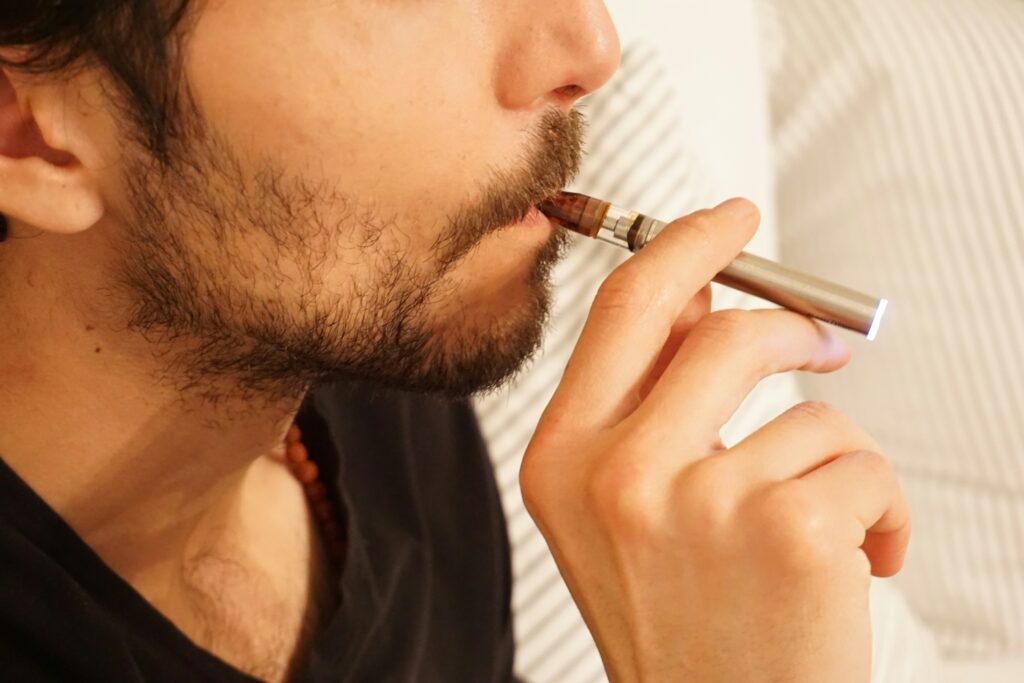
Standard vape oil is almost always distillate. The refinement process strips out most terpenes and minor cannabinoids, leaving something high in THC but fairly one-dimensional. Live resin holds onto far more of the plant’s full profile. How cannabinoids and terpenes work together tends to produce something more balanced and layered than distillate alone. People who’ve tried both usually just notice it without needing anyone to point it out.
The THC percentage on the label tells you one thing. What actually shapes the session is a different list entirely.
Live resin isn’t locked into one format. The best option really depends on your experience level and what kind of session you’re after.
Pre-filled, sealed, and beginner-friendly by a wide margin. Connect to a battery and you’re done. Because the concentrate stays inside a closed system, air exposure is minimal, which keeps quality consistent from the first draw to the last.
Compact devices you load concentrate into yourself. More flexibility than pre-filled cartridges and better temperature control on higher-end models. Loading takes some practice, but the trade-off is access to a much wider range of products.
A water pipe built specifically for concentrates. Vapour passes through water before you inhale, which cools things down and makes the draw noticeably smoother. More intense than portable options and more gear required. A cartridge or dab pen is a better starting point for most people.
There’s a reason live resin keeps pulling people away from standard vape oil. It’s not marketing, it’s what the product actually delivers when you use it. flavor, experience, and convenience all factor in.
A product that preserves its terpenes properly tastes like the strain it came from, not a rough approximation of it. That’s the difference live resin delivers. Cannabis terpenes are genuinely interesting and varied, and live resin is one of the only concentrate formats where you actually get to experience them properly. Once people try it that way, going back to standard vape oil rarely feels worth it.
Terpenes shape more than the taste. They influence how the session actually feels. A few worth understanding:
No rig. No torch. Nothing to figure out before you use it. Getting into concentrates used to mean learning a whole new process, that’s mostly not true anymore. A live resin vaporizer fits in your pocket, runs through a full day without dying on you, and the vapour doesn’t hang around the way smoke does.
Live resin is genuinely worth trying, but it’s not perfect for every situation. A couple of things are worth knowing before you spend the money.
The process that makes live resin what it is, freezing the plant immediately at harvest and keeping it that way through extraction, needs more equipment and more precision than what goes into making standard concentrates. That’s not a flaw, it’s just what quality costs. If flavor is why you’re buying, it’s easy to justify. If keeping costs low is what matters most, distillate makes more sense.
Heat is the main thing live resin needs protection from. Terpenes break down when exposed to it, and since terpenes are the whole reason to choose live resin over something cheaper, bad storage works against the entire point of buying it.
Potency is higher than flower and effects settle in faster. Taking more than you intended before the first draw has registered is easy to do. That’s a normal part of getting comfortable with concentrates. Give it a session or two and most people land on a decent sense of where their range actually sits.
Each concentrate type comes from a different process and ends up somewhere different in terms of flavor, potency, and feel. Here’s how they actually compare.
| Feature | Live Resin | Distillate | Rosin / Live Rosin |
|---|---|---|---|
| Source Material | Fresh-frozen cannabis | Dried and cured cannabis | Fresh-frozen or dried flower |
| Extraction | Solvent-based (butane/propane) | Short-path distillation | Solventless (heat and pressure) |
| THC % Range | 45–90% | 85–95%+ | 50–85% |
| Terpene Content | High | Very low | High to moderate |
| flavor Profile | Complex, true-to-strain | Mild to neutral | Complex, strain-specific |
| Full Spectrum | Yes | No | Yes (live rosin) |
| Price | Mid to high | Lower | High (live rosin) |
| Best For | flavor and full-spectrum experience | High-potency, consistent output | Solventless preference, flavor |
The method used to extract a concentrate determines what survives the process and what gets lost. Live resin uses solvent-based extraction on fresh-frozen plant material, pulling out cannabinoids and terpenes before they have any chance to degrade.
Distillate goes through short-path distillation, producing high potency but stripping away most of what made the plant interesting. Rosin skips solvents entirely and uses heat and pressure to press oil directly from the plant, preserving terpenes without any chemical involvement.
Potency and terpene content sit at very different places depending on which concentrate you’re looking at, and those differences matter when it comes to what the experience actually feels like.
Put all three side by side and most people who’ve tried each stop thinking of them as the same product at different strengths. Distillate on its own has almost no detectable flavor. When terpenes get added back in after processing, the result rarely comes close to the depth of something that was never stripped down to begin with.
Live resin reflects the source strain clearly because the full terpene range made it through extraction intact. Rosin carries strong strain-specific character too, with a slightly more rounded, resinous quality from the solventless process.
If you care about flavor and want more from a concentrate than a high THC number, live resin is worth picking up. Start small, pay attention to how different strains land for you, and store your devices properly. The gap between live resin and a standard vape cartridge shows up fast once you’ve actually felt it.
Use responsibly and within the laws in your province or territory. Questions about cannabis and personal health are worth taking to a healthcare professional.
Comes down to how often you use it and how long your draws run. A 1 G cartridge gives most people somewhere between 100 and 300 draws. Some stretch one over a few weeks, others burn through it in a few days. There’s no universal answer because usage patterns vary too much.
Yes, with a bit of preparation. Live resin is stronger than flower, and knowing that going in changes the experience significantly. Start with a lower-THC option if one is available. Take one small draw, sit with it for at least 15 minutes, and check in with yourself before deciding to take more. People who pace themselves from the start tend to have a genuinely good first experience.
Stronger than distillate, yes. It won’t linger through a room the way flower smoke does, but it’s more present than a plain distillate cartridge. In a small or enclosed space you’ll notice it, so it’s worth being aware of your surroundings before you use it.
Upright, somewhere cool, out of direct light. Room temperature or a touch below is the right range. A hot car or a sun-exposed bag breaks down terpenes fast and can thin the oil enough that leaking becomes a real possibility. Consistent, cool storage keeps the flavor and quality holding up over time.
Yes, and it happens faster than most people expect. Terpenes are volatile compounds that diminish over time as their concentration degrades, and warm or bright storage speeds that up considerably. A cartridge sitting somewhere warm for a few months will taste noticeably duller, even if the potency is mostly still there. Good storage habits slow that process down.
Look for specific language about extraction method and source material in the product description. A genuine live resin product will directly mention fresh-frozen plant material, not just use “live resin” as a marketing term. Third-party lab results, usually called a COA, confirm what’s actually in the product. A named strain and listed terpene profile are good signs of transparency. Adjustable temperature settings give you real control, and a quality heating element protects the flavor in ways cheaper alternatives typically don’t.