
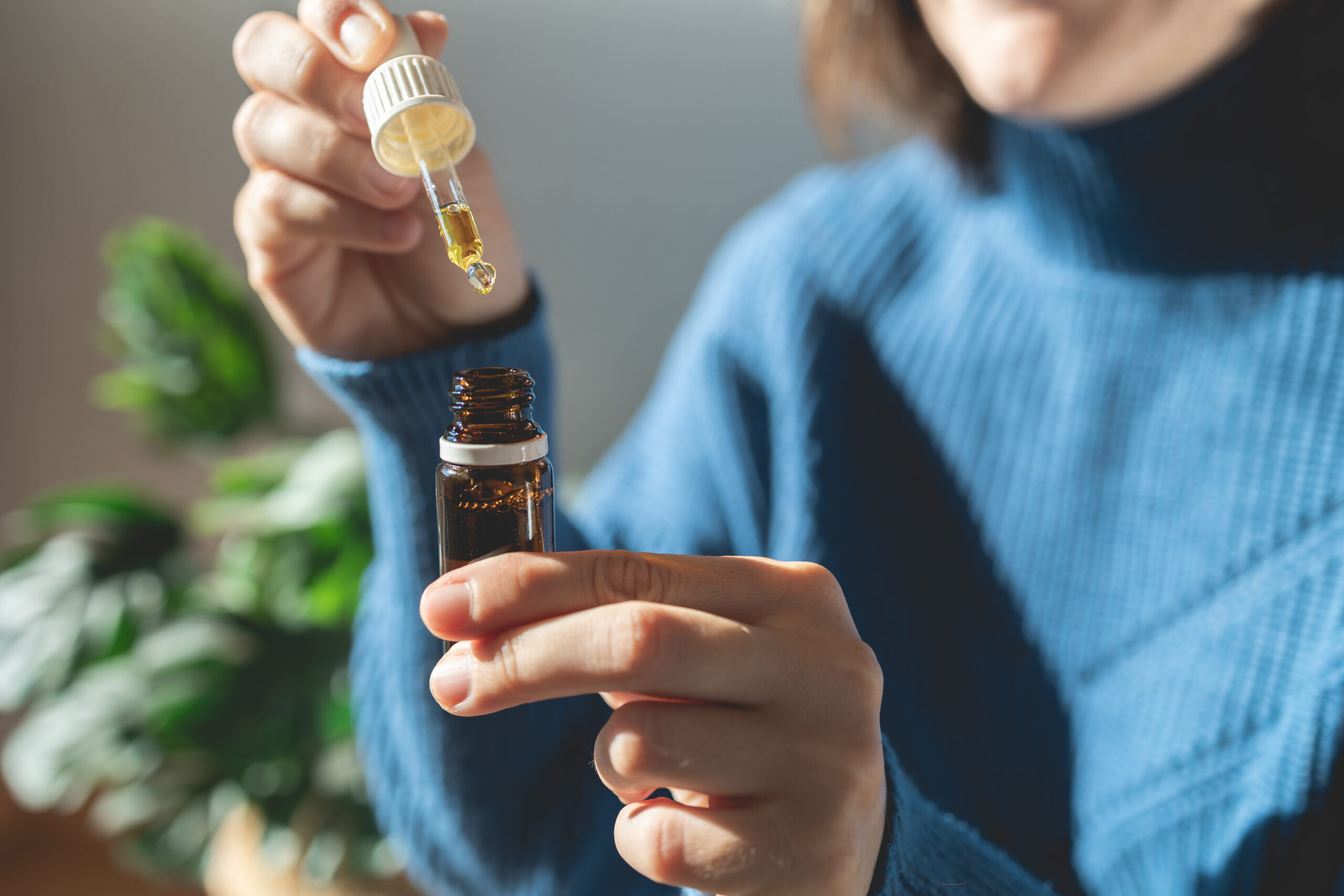
CBD tinctures are one of those things where everyone assumes you already know how they work. The staff at the dispensary probably handed it over and moved on. The label gives you a milligram count and maybe a warning about keeping it out of reach of children.
If you got home, looked at the bottle, and genuinely weren’t sure what to do next, you’re not behind, that’s just how this category works. Here’s what nobody told you when you bought it.
It’s hemp extract in a bottle with a dropper. The dropper is the point, actually, because counting drops is the only way to have any real sense of how much you’re taking.
Here’s the part most people skip: CBD gets into your body differently depending on how you take it. Under the tongue, it absorbs through blood vessels in the tissue there. If you just swallow it, it goes through your stomach and liver instead.
One is faster, the other takes longer and a bit less of it actually makes it through. That’s not a minor detail, it’s probably why your experience varies more than you’d expect between uses.
Hemp-derived CBD is low in THC because that’s kind of the legal definition of hemp. In the U.S. it’s 0.3% or less at the federal level. Canada is a different situation, Health Canada has its own framework and it’s worth a quick look if that’s where you’re shopping.
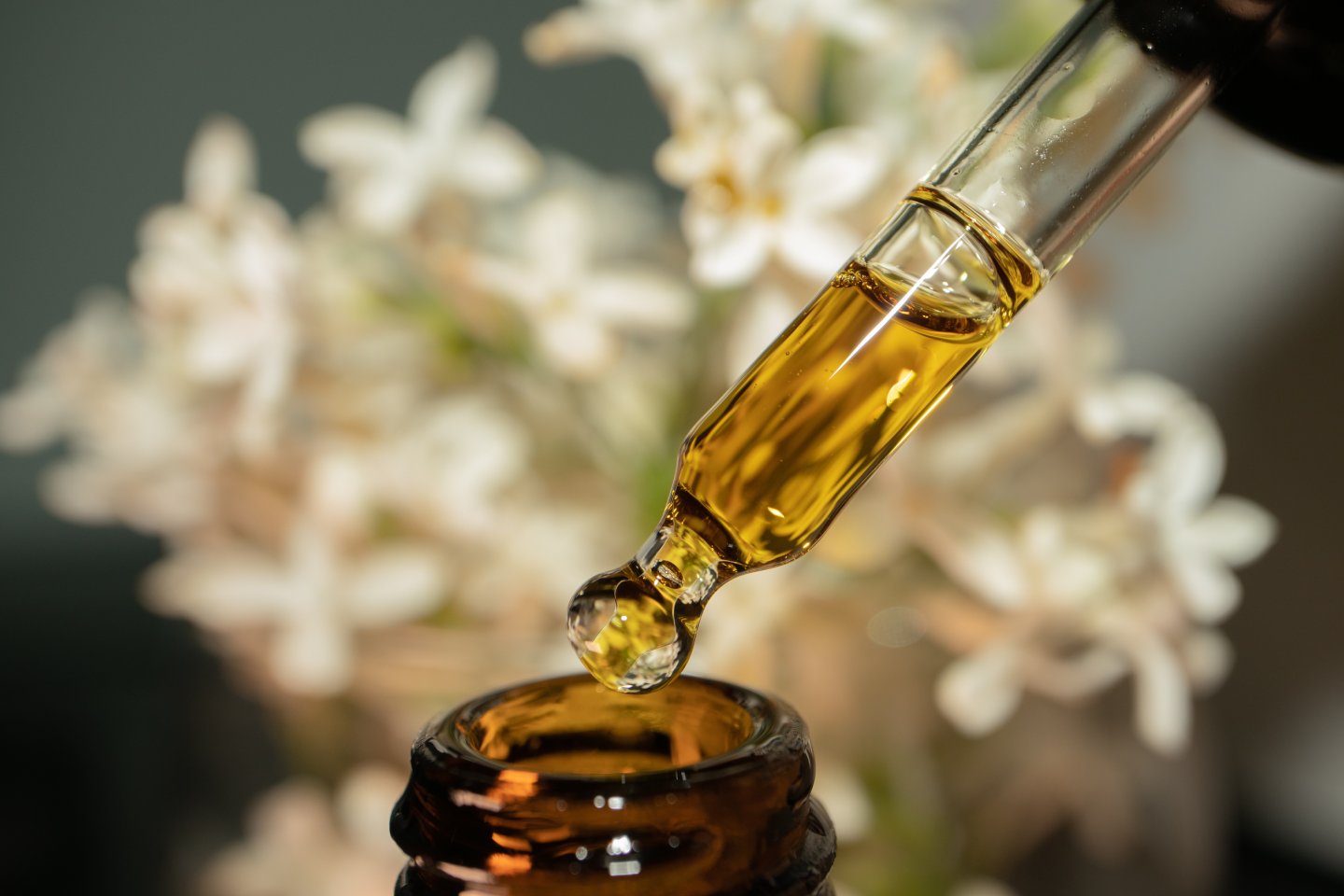
Most tinctures have four ingredients or fewer, which is honestly refreshing in a market full of products with labels you need a chemistry degree to read. Here’s what you’ll actually find in the bottle.
Barely different, if we’re being honest. A real tincture was alcohol-based, that’s the technical definition. A CBD oil uses a carrier oil, but the industry started using the terms interchangeably years ago and never really course-corrected. Whatever’s on the label, check what’s in the bottle.
| Feature | CBD Tincture | CBD Oil |
|---|---|---|
| Base | Traditionally alcohol-based | Oil-based (MCT, hemp seed, etc.) |
| Taste | Can be sharper or more bitter | Generally mild and earthy |
| Shelf life | Often longer due to alcohol content | Varies by carrier oil used |
| How it's used | Sublingual or mixed into food/drinks | Sublingual or mixed into food/drinks |
The name on the bottle is the least useful thing on it. Extract type and mg per serving, those are what tell you what you’re actually getting.
Some people take it the same time every morning without thinking much about it, it’s just part of the day. Others specifically bought it for something: a sleep problem that won’t go away, a period of high stress, something they’d heard helps with anxiety.
And a fair amount of people are just curious. It’s become a common enough thing that wanting to try it doesn’t need a specific reason anymore.
What works in its favour is that it doesn’t require anything from you. Nothing to smoke, nothing to set up, no timing around meals the way capsules sometimes require. You count out your drops and carry on.
Wanting to feel calmer is probably what drove most people reading this to try a tincture in the first place. Whether it actually delivers on that isn’t something any brand can promise you, it really does vary from person to person. A few things that change how someone responds:
Quick but important note: CBD has not been approved by Health Canada or the FDA to treat any medical condition. If there’s something health-related driving why you’re here, bring it up with your doctor before you add anything new. That’s not a disclaimer for the sake of it, it genuinely matters.
Main reason: control, mostly. Gummies are one dose per gummy. Capsules are one dose per capsule. You can’t adjust either of them without cutting something in half and guessing at the amount. A tincture lets you go up or down in small steps, which is actually how you figure out what works for a body that has never used CBD before.
They also move faster than edibles, which is a real thing when you’re trying to figure out if something is working. Swallowing a gummy and waiting ninety minutes to feel anything makes it hard to connect cause and effect. Under the tongue is much quicker, which makes the learning curve shorter.
One thing people forget: shake the bottle first. The CBD and carrier oil separate when they sit, the same way a salad dressing does. Using it unmixed means you’re getting an inconsistent dose each time.
After that, drop it under the tongue, hold it, swallow. That’s faster and more reliable than just swallowing directly because the tissue under your tongue is thin enough for direct absorption into the bloodstream.
A full dropper is approximately 1 mL.
Both work. Here’s the actual difference:
Sublingual (under the tongue)
Swallowing directly
Holding it under your tongue first and then swallowing is the practical middle ground. Faster initial absorption, and the rest works through digestion on its own timeline.
Treeworks from Elevated Herb is worth looking at when you want a brand that actually puts what’s in the bottle on the label. Three different formulas, each with a different purpose, so which one makes sense really comes down to what you’re trying to get out of it.
1000 mg CBD, 100 mg THC, 25 mL. The formula is about as simple as it gets, nothing layered, nothing to think through. If you’re new to tinctures and want something predictable to learn on, this is the right call.
Best for
300 mg each of CBD, CBC, CBG, and CBN, with 100 mg THC to round out 1300 mg total. This one’s genuinely different from a standard CBD product. It’s for people who want to feel what a full cannabinoid spread does rather than running on CBD alone. The balance across four cannabinoids is what sets it apart.
Best for
CBD at 500 mg, with CBN and CBG both sitting at meaningful amounts. 1300 mg total, indica profile. The higher CBN is what makes this an evening product, people who want to wind down rather than feel switched on. It tends to develop a following once people try it, which is usually a good sign.
Best for
No single answer that works for everyone. Morning is good if the goal is to carry some calm through the day, pair it with coffee or breakfast and you won’t forget it. Afternoon works for people who feel the weight of the day starting to press in around lunchtime.
Most people end up in the evening window, especially if sleep is what brought them to tinctures in the first place. If there’s CBN in the product, like in the Relief Drops, evening is basically where it belongs anyway.
If it’s your first time, evening is the right call simply because you won’t need to be alert for anything afterward. Use it, sit with it, pay attention. That’s harder to do when you’ve got a full day ahead of you.
There’s no clean answer and anyone giving you a specific number as though it’s universal is guessing. Body weight, chemistry, the product itself, all of it feeds into it differently for every person.
10 to 20 mg per serving is a reasonable place to start. Some people feel it clearly at 10. Others won’t notice much until they’ve been using it consistently for a week or two. The only way to find your number is to start low and actually pay attention.
A week or two of nothing? Go up a little.
Under the tongue, 15 to 45 minutes is the usual onset range, with effects lasting two to six hours. Swallow without holding it under the tongue first and that timeline shifts to 45 minutes on the short end, sometimes two hours or more. Less absorbs overall that way too, not by a massive amount, but enough to notice if you’re paying attention.
Some brands in this space are excellent, others are basically selling carrier oil with trace amounts of CBD and a nice label. The gap between them is real and the difference shows up in how the product performs.
Before spending money, three things:
If a label is thin on several of these, that’s information. Act on it.
There’s a real difference between a brand saying “we test our products” and you being able to actually look at the results. Third-party testing means an independent lab, not the company itself, checked the cannabinoid content and screened for pesticides, heavy metals, and residual solvents. That document is called a certificate of analysis or COA. Good brands link it on their site or stick a QR code on the label.
If you can’t find it, or what you do find is from a couple years ago, that’s your answer. You shouldn’t have to dig for this information. Brands that are confident in what they’re selling make it easy to find.
CBD breaks down with heat, light, and air, not dramatically fast, but enough that it matters over weeks and months. A drawer or cupboard is fine.
The things to avoid are obvious once you think about it: a car that gets hot in the afternoon, a windowsill with direct sun, anywhere near a stove. And close the cap properly after every use. Oxygen gets in through a loose cap and slowly degrades the product.
Sealed and stored right, most tinctures hold up for 12 to 24 months. Once you’ve cracked it open, 6 to 12 months is the realistic window for good quality. The carrier oil is usually what goes first, it can turn rancid over time. If the smell has shifted, or it’s cloudier than it was when you opened it, stop using it. A degraded tincture isn’t going to do much for you.
Most beginners either take too much too fast or skip days and wonder why nothing’s working. Both are fixable, but they’re worth knowing about before you start.
Because more isn’t how this works. Clinical reviews show the most common CBD side effects at higher doses include drowsiness, lightheadedness, and abdominal discomfort, none of it dangerous but none of it necessary. The reason people end up there is usually that they didn’t feel much the first couple of uses and assumed the dose wasn’t enough.
CBD doesn’t always give you a clear signal at lower amounts, particularly in the first week or two. That’s not a dosing problem. Sitting with 10 mg consistently for a week will show you far more than jumping to 30 mg on day three out of impatience.
Taking it here and there with no real schedule is basically the same as not evaluating it at all. CBD builds up with regular use, and the difference between daily use and occasional use is significant enough that you’re not comparing the same thing. Three to four weeks at the same time every day before you decide whether it’s working. That’s the minimum for a fair test.
Something you already do every day is your best anchor. Morning coffee, lunch, the routine before bed, any of those work better than trying to remember it as a standalone task.
Yes. A lot of people prefer this, especially if the straight taste is a problem. Worth knowing:
Just a note in your phone. What time, how much, how you felt when you took it, how you felt a couple hours later. A sentence or two is enough. After three or four weeks, patterns start appearing on their own, and you actually start to understand your own response instead of guessing at it.
Low dose to start and same time every day. Under the tongue for a full minute before you swallow and test for a few weeks before you judge it. Buy something with clear labelling and published lab results or don’t buy it at all.
CBD doesn’t click for everyone the same way and it doesn’t click on the same timeline. Tinctures work in your favour here because you can adjust as you go, bump it up a little, try a different time of day, switch products. You’re not locked in. Just change one thing at a time so you can actually tell what made the difference.
And if you have existing health concerns, take anything that runs through the liver, or are pregnant or nursing, genuinely, talk to your doctor before you add anything.
Not required. Fine if you want to, especially somewhere warm. Just pull it out a few minutes before you use it, cold oil thickens up and the dropper gets harder to control when it’s stiff.
Pure CBD without THC isn’t generally considered impairing. THC changes that equation, even at small amounts. If your product has any THC at all, treat it the same way you would anything else that could affect your reaction time. Read the label before you drive, and don’t assume, especially with something new. Follow the laws where you live.
This is a real interaction worth knowing about. CBD inhibits several CYP450 enzymes involved in common drug metabolism, the same pathway a lot of common medications run through. That can slow down how quickly certain drugs get processed. Blood thinners, some antidepressants, anti-seizure medications, those are the ones that come up most. If you’re on anything regularly, your doctor or pharmacist should know before you start adding CBD.
Unflavoured tinctures taste like what they are, a hemp extract in oil. Earthy, a little grassy, occasionally quite strong. It catches people off guard more often than not. Flavoured versions help. Mixing into a drink or food works just as well if the taste is the main issue. Most people stop noticing it after a week or two of regular use, the body adjusts faster than you’d expect.
Under the 2018 Farm Bill, hemp-derived CBD at 0.3% THC or less is federally legal, and New Jersey falls under that. New Jersey also has a functioning adult-use cannabis market, so if you want something with more THC, licensed dispensaries can help with that too. Buy from somewhere licensed and double-check current state rules before you buy since regulations aren’t static.
Don’t wait for something obvious, it probably won’t come. The changes tend to be small and gradual. You get through something stressful without it lingering as long. You fall asleep without lying there for forty-five minutes first. You just feel a bit more like yourself during a day that would normally wear you down. Those are real effects, they’re just not dramatic. A log makes the difference between noticing them and missing them entirely.