
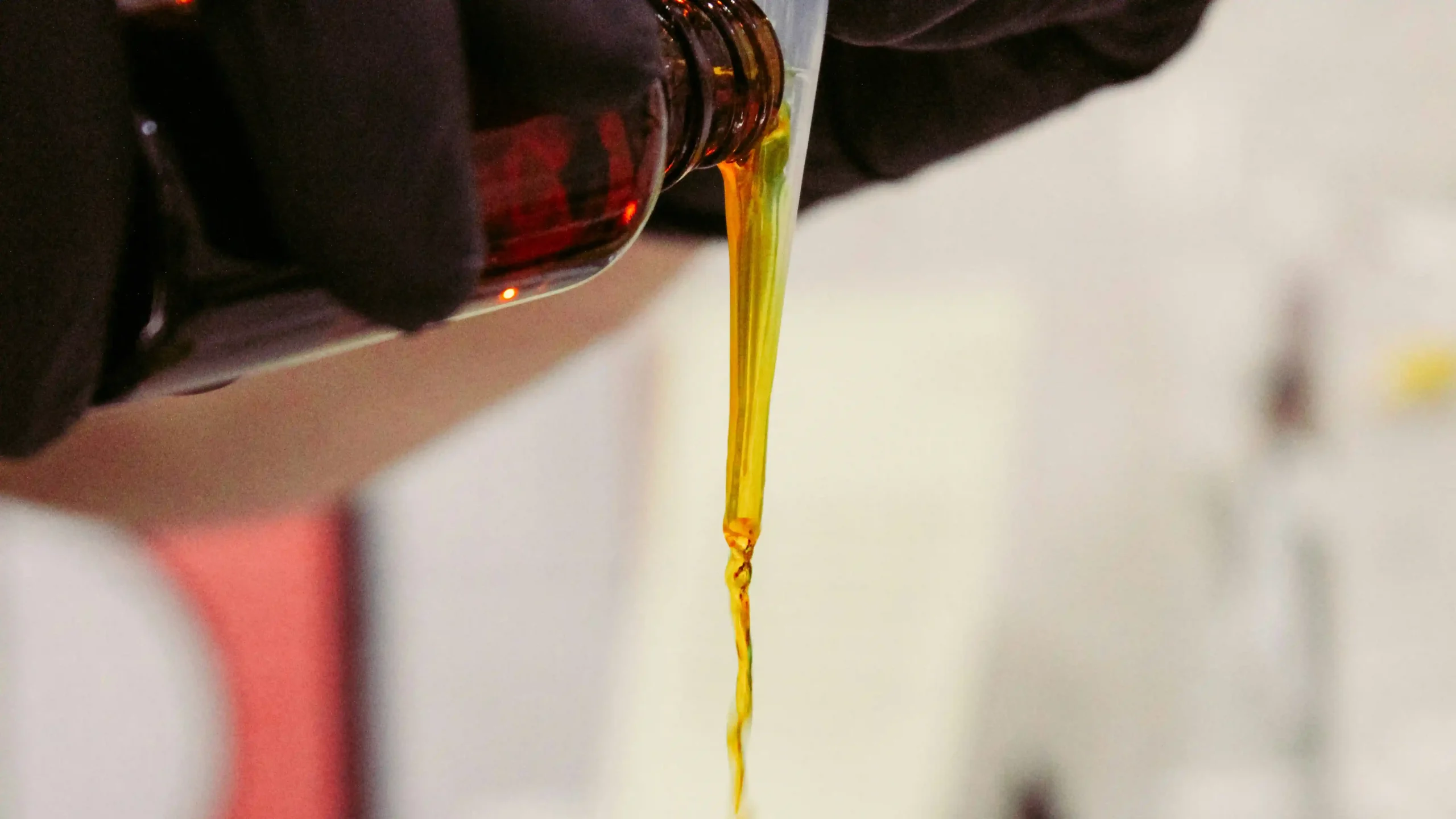
More cannabis concentrate shoppers are asking the same question before they buy: is this made with chemical solvents, or not? Solventless extraction and live rosin specifically have become the answer a lot of these people are looking for. After all, it’s a way to get a potent, flavorful dab without butane, propane, or any other chemical ever touching the product.
Simply put, live rosin is made using nothing but ice, water, heat, and pressure. No butane, propane, CO2, or ethanol involved anywhere in the process. Extracts like BHO and CO2 oil, by contrast, rely on chemical solvents that have to be fully purged and lab-tested for residual traces before they’re legally allowed on a shelf. Both categories can produce excellent concentrates, but they get there in completely different ways.
This guide walks you through the actual step-by-step solventless live rosin extraction process. Get a breakdown of how it differs from solvent-based methods, and learn what to consider and actually look for when choosing between them at Elevated Herb.
Live rosin is a solventless cannabis concentrate that starts with a different kind of raw material than most cannabis concentrates. Instead of drying and curing the flower first, the plant is flash-frozen immediately after harvest. This “fresh frozen” starting point locks in a much higher percentage of the plant’s original terpenes and aromatic compounds before they have a chance to degrade through the standard drying and curing timeline, which can often stretch on for weeks.
That “fresh frozen” material is first washed into ice water hash, also known as bubble hash, and this hash is then pressed under heat and pressure to become live rosin. Technically speaking, live rosin is a specific type of hash rosin, one made exclusively from fresh frozen starting material rather than the usual dried flower. This distinction matters more than it might seem: dried and cured flower has already lost a meaningful percentage of its original terpene volume just from sitting through the curing process. This means that starting from fresh frozen material is really what gives live rosin its reputation for a noticeably stronger aroma and flavor compared to rosin pressed from dried hash.
However, take note that at no point in this process does a chemical solvent touch the product. This is exactly why live rosin and ice water hash both fall under the broader “solventless concentrates” umbrella. That full solventless live rosin extraction process (freeze, wash, filter, dry, press) is what separates it from every other concentrate category on the shelf, making live rosin prized for its purity, flavor, and terpene preservation.
Here’s exactly how fresh frozen flower is turned into finished live rosin, and why each step matters:
Freeze the Cannabis Flower Immediately
Fresh-cut cannabis is flash-frozen right after harvest to preserve trichomes and terpenes before they have a chance to degrade. Skipping this step and letting the plant dry first is really the only thing separating live rosin from standard hash rosin.
Wash in Ice Water
The frozen material is agitated in ice-cold water inside a hash washing machine, using cold temperature and motion to shear the trichome heads off the plant material without any solvents involved. The cold is doing real work here: trichomes become brittle and easier to separate at low temperatures, which is why the entire wash stays ice-cold from start to finish.
Filter Through Micron Bags
The wash water passes through a series of mesh filter bags, which range from 25 to 220 microns based on Lowtemp Plates’ equipment guide. This separates plant matter from resin glands by size, from largest to smallest. Each bag catches a different size of trichome head, which is why processors often keep the material from each bag separate to track quality grade.
Collect and Freeze-Dry the Hash
The collected trichome-rich material, known as ice water hash or bubble hash, is freeze-dried. Hydrobuilder’s growing guide puts the typical freeze-drying window at roughly 18 to 24 hours to remove moisture without applying heat, which would otherwise degrade the terpenes. Freeze-drying pulls moisture out through sublimation rather than evaporation, which is the whole reason it can remove water without ever raising the material’s temperature.
Press Intro Rosin
The dried bubble hash is loaded into a rosin press and squeezed between heated plates for under 2 minutes, releasing the viscous, terpene-rich live rosin. The Original Resinator, a rosin press manufacturer, cites a typical pressing range of 140–200°F for this step. Heat and pressure physically rupture the trichome heads and melt their contents into a liquid state, which is what “rosin” actually refers to: resin extracted through mechanical force rather than any chemical reaction.
Do note that exact parameters vary by processor: some run cooler for maximum flavor, others push slightly warmer for higher yield. But the core process stays the same across the industry.
Solvent-based extraction covers a genuinely different family of methods, each using a different chemical to pull cannabinoids and terpenes out of the plant material. Here are three methods used for these extracts:
All three of these methods have one thing in common that solventless extraction doesn’t: every solvent-based extract sold in a licensed market has to be tested for residual solvent levels before it’s cleared for sale. Incomplete purging can leave trace butane, propane, or other chemical residue behind in the finished product. That testing requirement exists precisely because these methods work by introducing an outside chemical into the process, however briefly. The entire point of the purge step is removing it completely before the product ever reaches a shelf, and lab testing is what confirms that purge actually worked.
Manufacturers generally choose between these solvent-based methods based on the end product they’re targeting rather than any single method being universally “better.” Butane extraction tends to be favored for high-potency, texturally diverse concentrates like shatter and budder; CO2 is often chosen for its non-flammable, food-industry-approved reputation; and ethanol is the standard choice whenever the goal is a full-spectrum oil meant for tinctures rather than dabbing.
Here’s how the major extraction categories stack up against each other:
| Extraction Method | What’s Used | How It Works | What It Means for You |
|---|---|---|---|
| Ice Water Hash / Live Rosin | Ice water only | Washed in ice water, then pressed with heat and pressure | No residual solvent testing needed; known for full-spectrum flavor |
| BHO (Butane Hash Oil) | Butane | Closed-loop extraction, then vacuum-purged | Requires solvent residue testing; often very high potency |
| CO2 Extraction | Supercritical CO2 | High-pressure gas extraction | Seen as a cleaner solvent method; often very high potency |
| Ethanol / FECO | Food-grade ethanol | Soaked in ethanol, then evaporated | Common in tinctures and full-spectrum oil products |
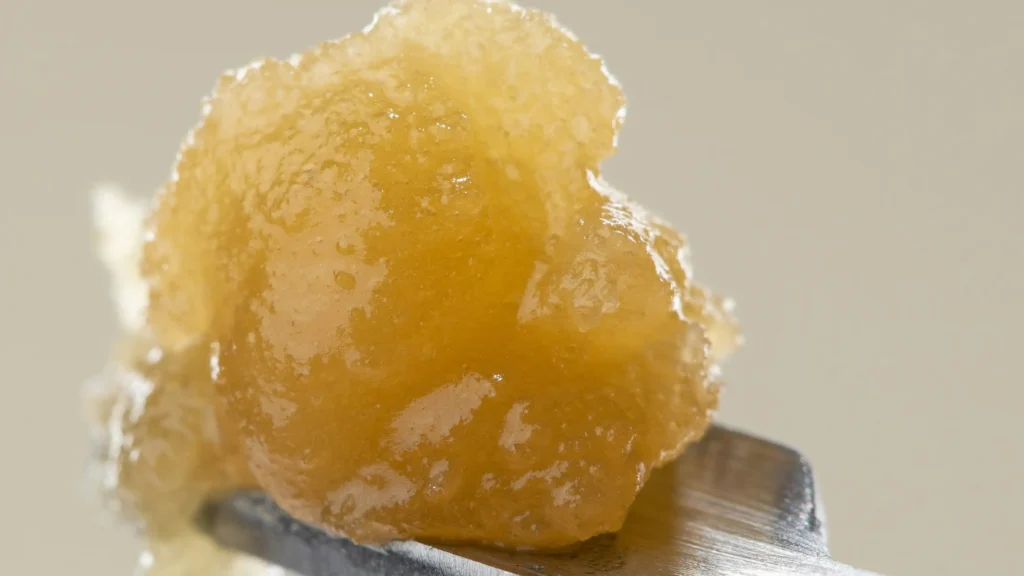
A few things are driving more shoppers toward the solventless category specifically. The most obvious is purity: since no chemical solvent ever touches the products, there’s no residual solvent step to think about at all. Some consumers find that reassuring on its own, regardless of how well-purged a solvent-based product tests. For shoppers who’ve had a bad experience with a harsh-tasting or poorly purged concentrate in the past, that peace of mind alone is often enough to shift their buying habits toward solventless options going forward.
Terpene preservation is the other big draw. Fresh frozen starting material combined with a low-heat, no-solvent process tends to retain more of the plant’s original terpene profile than many solvent-based extraction methods manage. This is what a lot of connoisseurs say translates directly into stronger flavor and aroma in the finished product. Since terpenes are also part of what shapes the overall feel of an experience, not just the taste, that preservation has real consequences beyond flavor alone, which is part of why solventless products are increasingly marketed toward people chasing a specific, nuanced effect rather than just raw potency.
That’s also where the term full melt comes from. It refers to the highest grade of ice water hash, material so clean and well-processed that it melts almost completely when heated and leaves little to no plant residue behind. It functions as a quality benchmark within the solventless category the same way a top-shelf grading system works for flower, and it’s often used by processors and connoisseurs alike as shorthand for the very top end of what ice water hash can achieve.
However, none of this means quality is guaranteed just because something is labeled solventless. A rushed or careless wash, an improperly dialed-in freeze-dry cycle, or sloppy pressing technique can all produce mediocre live rosin despite the process technically being solvent-free from start to finish. Remember, quality still varies widely by processor and starting material, so lab testing and reputation matter regardless of which extraction method you’re choosing between.
If you’re unsure of how to choose, here are a few practical steps to make the decision easier, whether you’re shopping in person or browsing online:
If you also want to dive deeper on how different concentrates are made and tested, it’s worth taking a few minutes to browse cannabis education on the Learn page before your next visit to Elevated Herb.
A few things beginners ask us most:
Live rosin is made using nothing but ice, water, heat, and pressure, with no chemical solvents involved. Elevated Herb carries lab-tested live rosin and hash rosin concentrates for West Milford shoppers who want maximum flavor and a clean, solventless extraction process.