West Milford dispensaries are helping local outdoor enthusiasts think past THC percentage and start paying attention to something a lot more useful, which is terpene profile. For years, the habit around here was pretty simple. Grab whatever has the biggest number on the label and just hope for the best. That approach misses most of what actually shapes how a session feels once you’re out there using it.
Terpenes are the aromatic compounds that give cannabis its scent, and they do a lot more work than just smelling good. Specific terpenes push a session toward energy, sharp focus, or deep calm, depending on which ones happen to dominate a particular cultivar. Once you understand that, your choice of flower or concentrate stops being random and starts becoming something closer to a functional tool, matched to whatever you’re actually planning to do that day.
Passaic County sits right at the center of that shift, with its highlands, lakes, and trail networks pulling outdoor lovers in year round. Matching a terpene profile to your planned activity makes the whole day work better, whether that’s winding down properly after a long hike or settling in for a quiet evening back at the cabin.
Passaic County’s highlands aren’t anything like the flat, suburban stretches you’ll find further south in the state. Steep ridgelines, dense forest, and cold mountain lakes define this region, and that terrain ends up shaping how people spend their weekends here more than most folks realize.
A couple of local landmarks anchor that outdoor culture more than anything else:
Both Greenwood Lake and Wawayanda anchor a local outdoor culture that’s tightly connected to how people around here think about their cannabis choices, since the activity itself often comes first and the product gets picked to match it.
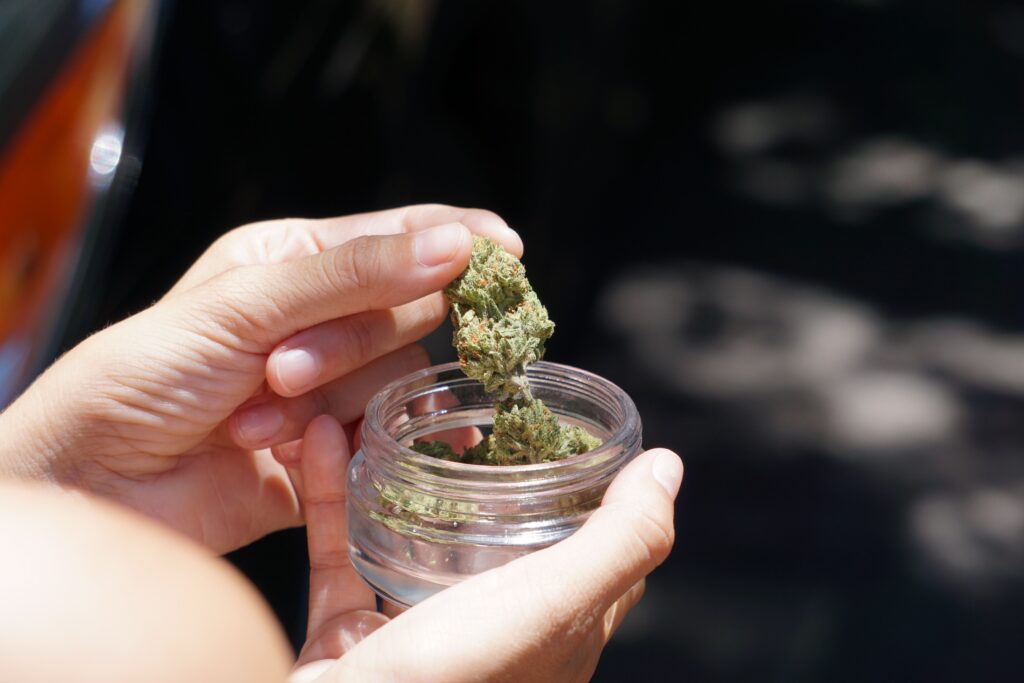
Matching a terpene profile to an activity gets a lot easier once you can actually see it laid out side by side, rather than trying to remember it all in your head. The table below breaks down which compounds pair well with a few of the most popular ways people spend time outdoors around West Milford.
| Regional Activity | Primary Terpene Target | Ideal Cultivar Profile | Sourcing Format |
|---|---|---|---|
| Backcountry Trail Trekking | Alpha-Pinene / Beta-Pinene | Uplifting sativa-dominant | Pre-packaged pre-rolls for a private post-hike reward |
| Deep-Water Kayaking | Limonene / Terpinolene | Balanced, high-clarity hybrid | Low-dose, fast-acting infused beverages |
| Lakeside Cabin Relaxation | Myrcene / Linalool | Calming, heavy indica | Solventless live rosin or slow-release edibles |
Every one of these pairings works best when the actual consumption happens somewhere private. That means back home, at a cabin, or at a private campsite where you’ve got the landowner’s blessing, not out on the trail itself or anywhere else the public can wander through.
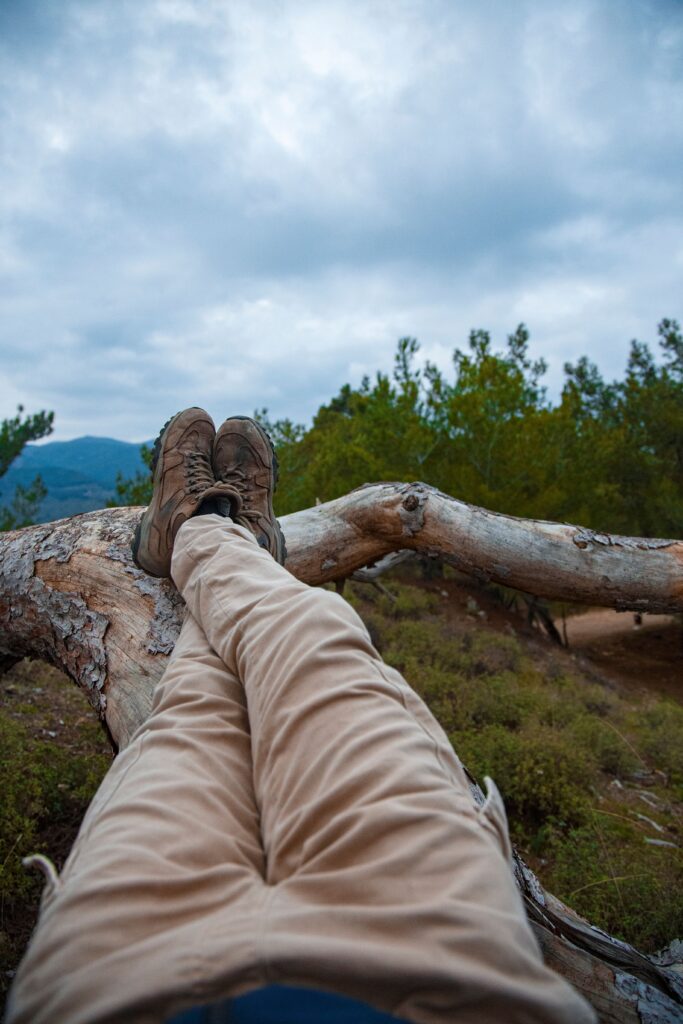
Pinene is one of the more interesting terpenes if you spend serious time on foot moving through rough terrain. It acts as a mild bronchodilator and tends to support mental clarity rather than that foggy, unfocused feeling some other terpene profiles can bring on after a while.
That makes a pinene-forward pre-roll a solid pick for winding down properly after a demanding trek through somewhere like Abram S. Hewitt State Forest. A few things worth keeping in mind about this pairing:
Plenty of hikers around here have started treating that post-trek moment as part of the whole experience, almost like a proper cooldown ritual that still respects where and how the product can legally be used.
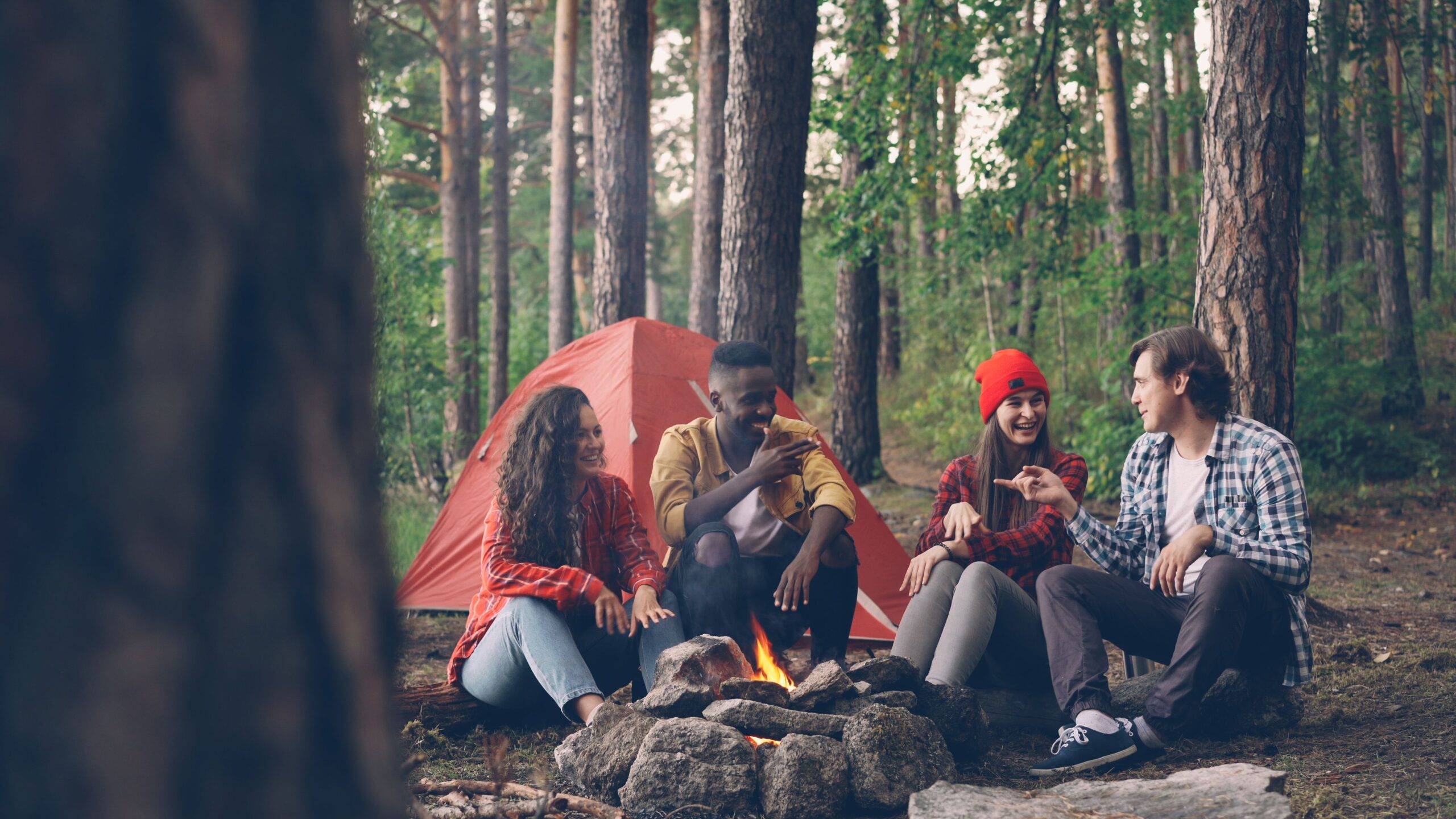
Limonene brings a bright, upbeat mood without dragging along the heavy mental fog that some other terpenes carry with them. That makes it a strong pick for social evenings where you still want to feel sharp enough to actually hold a decent conversation with the people around you.
Citrus-forward cultivars tend to work particularly well in a couple of specific settings:
A lot of people underestimate how much the right terpene can shape the tone of an evening like that. A heavy indica might leave everyone a bit too sedated to enjoy the fire and the conversation properly, while a limonene-forward option tends to keep the energy light and social right up until people are ready to call it a night.
A full day of kayaking, hiking, or scrambling over rocky terrain tends to leave your muscles and joints feeling it pretty clearly by the next morning. Myrcene-rich cultivars are a common go-to for that kind of post-adventure wind-down, since they lean toward the calming, heavy-indica end of the spectrum most people are already familiar with.
A couple of formats tend to work best for this kind of recovery day:
Recovery days matter just as much as the adventure itself, even if they don’t get talked about as often. Picking a myrcene-heavy product for that stretch of downtime gives your body a real chance to settle before the next outing on the calendar.
Shopping for cannabis at a crowded urban storefront can feel rushed, with barely any room to ask real questions or actually compare your options with any care. The Route 23 corridor offers a different kind of experience altogether, one that’s built around education rather than just moving volume through the door.
A boutique retail environment gives you a few advantages you won’t usually get at a busier shop:
That kind of transparency matters more than it might seem at first glance, since terpene content can vary noticeably between different batches of the exact same strain name.
Elevated Herb filters its menu to prioritize local craft cultivators who put real effort into preserving terpene content all the way through the growing and curing process. That focus shows up directly in how consistent the aromatic profiles end up being from one purchase to the next, rather than being a bit of a lottery every time.
Staff at the Route 23 showroom are set up to walk through your specific outdoor plans with you before you buy. Telling a retail specialist you’re prepping for a lakeside weekend or a long trail day out at Wawayanda helps them steer you toward a cultivar that actually matches what you’re genuinely after, instead of just handing you whatever’s popular that week.
Matching terpene profiles to outdoor activities turns cannabis shopping into something a lot more intentional than just chasing the highest THC number on the shelf. Pinene, limonene, and myrcene each bring something genuinely different to the table, and knowing the difference between them helps you plan a better day, whether that’s a demanding trek through Wawayanda or a quiet evening by Greenwood Lake with friends.
Just remember that the actual consumption needs to stay on private property under current New Jersey law, no matter which format you end up choosing. That one detail is worth keeping front of mind no matter how tempting it is to treat the trail itself as part of the experience.
Browse the Elevated Herb collection and check current terpene data before your next trip into the Passaic County highlands.
No. New Jersey law prohibits cannabis consumption in public spaces, including state forests, parks, and trails. Consumption needs to happen on private property instead, such as your home, a cabin, or a private campsite.
Terpene content can vary between growers, harvests, and even individual batches, even when the strain name on the label stays exactly the same. Growing conditions, curing methods, and each cultivator’s own practices all influence the final aromatic profile that ends up in your jar.
Checking the batch’s Certificate of Analysis is the most reliable way to see its actual terpene breakdown before you buy. Staff at a boutique showroom like Elevated Herb’s Route 23 location can also pull that data up for you directly if you’d rather just ask.
Yes. New Jersey’s public consumption ban covers all cannabis products, not just smoking or vaping specifically. Edibles, lozenges, and any other format still need to be consumed on private property, the same as flower or concentrates.
Heat can affect the texture and potency of edibles and beverages, so packing them inside an insulated bag is a smart precaution worth taking. Keep in mind that these products still can’t be consumed on the trail itself, only carried along for later use once you’re back on private property.