
Defaulting to the highest available THC percentages is an outdated trend. For years, the usual question at the counter was simple: what’s the highest THC you’ve got? But along Route 23, with the growing base of consumers browsing West Milford dispensaries across Passaic County, that question is almost a thing of the past. The market is now asking about cannabinoids in combination, the full chemical profile.
It’s a shift that reflects a broader move toward whole-plant preservation. Instead of chasing a single potency spike, seasoned shoppers and users are exploring full-spectrum extracts. A world of deliberately formulated ratios designed around function: sleep, recovery, or focus. This full guide will walk you through what this shift actually means, including the science behind it, the state rules governing it, and how to shop for it with intention.
Before getting into extractions, you need to understand what the state allows you to walk out with. The New Jersey Cannabis Regulatory Commission (NJ CRC) sets firm per-transaction limits. At the same time, dispensaries are permitted to sell up to the equivalent of one ounce (28.35 grams) of usable cannabis in a single transaction. This applies to flowers, concentrates, ingestibles, or some combination of the three.
Under the current NJ CRC rules, an adult 21 or older can legally purchase up to 4 grams of solid or liquid cannabis concentrate per single transaction. This includes live rosin, resin, wax, distillate, shatter, and vape cartridges. This limit is included in the same overall 1-ounce equivalency as flower.
So, if you’re planning to buy and mix product types in a single visit, you need to pay close attention to that total limit. For example, you might land on 0.5oz of dried flower plus 2 grams of concentrate. Both are within the thresholds.
Ingestible products have their own math. Unlike flower and concentrate, balanced formulations, like 1:1 or 2:1 ratios, fall under the state’s 1000 mg (1 gram) total transactional limit, typically sold as ten 100mg packages. This 1000 mg limit only counts THC. This means adding CBD or other non-intoxicating cannabinoids doesn’t add to the 1,000 mg. So, for a 1:1 CBD-to-THC gummy pack, the cap is only based on how much THC it contains, not on the combined weight of both.
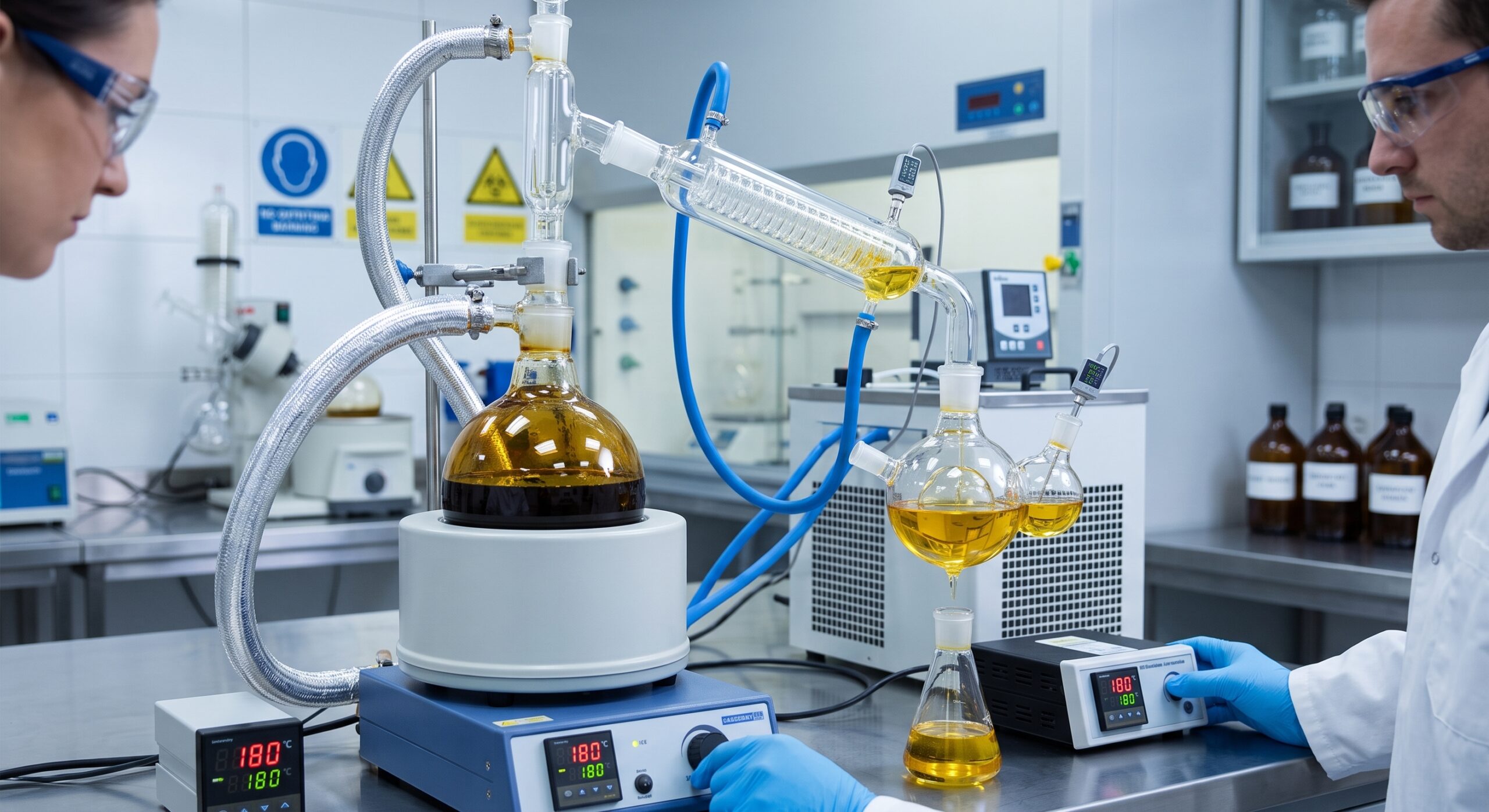
Not all cannabis concentrates are built the same way. The extraction method is really what defines the experience. A full-spectrum extract is processed to keep as much of the plant’s original chemistry intact as possible. The acidic precursors, cannabinoids, and terpenes all carried through together. On the other hand, an isolate is stripped down to a single target compound, losing most of the plant’s original character.
This is where the entourage effect comes in. It’s the theory that minor cannabinoids and terpenes work better together than alone. Together, they’re thought to interact more effectively with the human body’s cannabinoid receptors than any single compound would on its own. For instance, terpenes like myrcene and limonene aren’t just responsible for aroma. They’re believed to influence how THC and other cannabinoids bind to receptors. This is part of why two products with similar THC levels can feel noticeably different for users.
Here’s how the three most common extract categories compare:
| Extract Classification | Processing Methodology | Active Compound Footprint | Consumer Experience Profile |
|---|---|---|---|
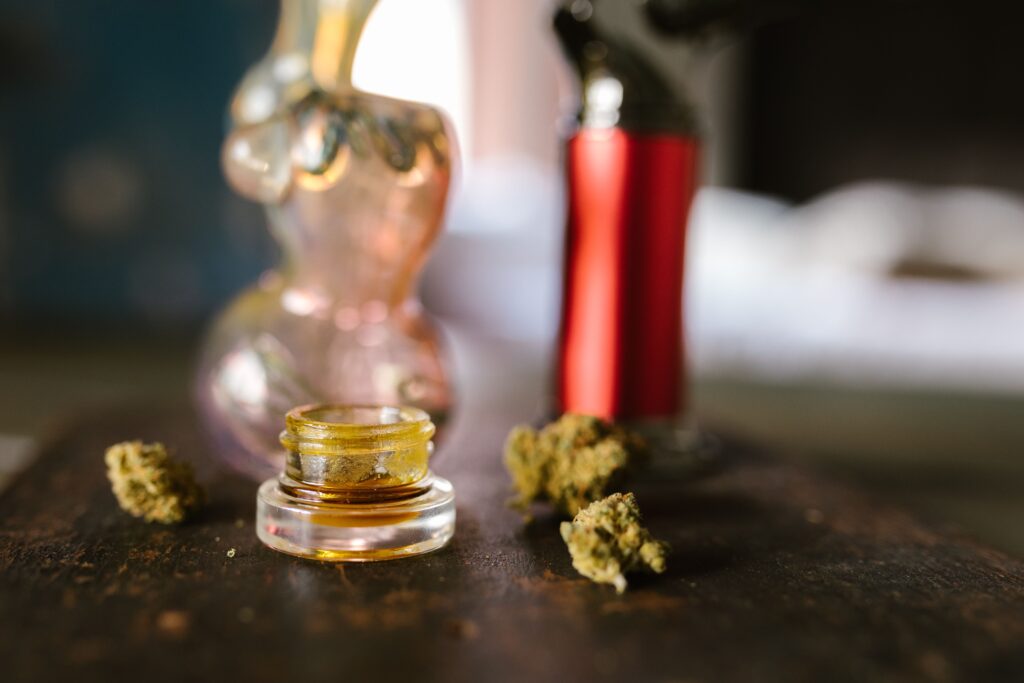
| Full-Spectrum (Live Rosin) | Solventless; made with heat and pressure only, no chemical solvents used. | Full retention of native cannabinoids, acid forms, and terpenes. | Rich and layered, closely reflecting the character of the original cultivar. |
| Broad-Spectrum Extracts | Solvent-based extraction with selective THC isolation. | Minor cannabinoids and aromatic oils remain intact; some intoxicating compounds are reduced. | Clear-headed and balanced, suited for more targeted, functional use. |
| Distillate Isolates | High-heat fractional distillation. | Narrowed down to isolated target cannabinoids, native terpenes are largely lost in processing. | A sharp, single-note potency effect without much aromatic complexity. |
Balanced formulations exist because different cannabinoid pairings are genuinely suited to different parts of your day. Each ratio is built around achieving specific lifestyle outcomes, like staying sharp, winding down at night, or recovering after physical exertion. So, these balanced options are best thought of as functional tools, not just another recreational category.
CBG is often called the “mother cannabinoid.” It’s the compound from which THC and CBD came. But on its own, it typically functions as an introductory, non-intoxicating compound that’s associated more with physical comfort and mental clarity than with heavy sedation. Paired with THC, it has the potential to soften some of the more disorienting or foggy qualities THC can carry at higher doses.
For this formulation, a 1:1 or 1:2 THC-to-CBG configuration is generally suited and preferred by experienced users for tasks that require sustained focus, like busy daytime tasks. These can be when working through a project, running errands, or any activity where you want to stay functional and present rather than settling into the couch. Formats like low-dose vape cartridges or tinctures may also work well here, since you can titrate in small increments.
CBN is a compound that forms naturally only as THC oxidizes and degrades over time. It’s not present in huge amounts in a freshly harvested cannabis plant. This is why part of the older flower is sometimes associated with drowsier effects than that of a fresh one. So, extractors have leaned into that natural process where they deliberately age or process material to concentrate CBN levels.
In terms of formulation, pairing a lower dose of active THC with a higher concentration of CBN is a standard approach for an evening wind-down routine. This CBN-forward ratio tends to lean noticeably more toward rest than stimulation. It’s why it’s one of the go-to nighttime pairings for some users at dispensary counters. As for format, edibles and tinctures are common for this ratio due to their slower onset, which matches well with a pre-bedtime routine.
Many cannabis users looking to manage post-workout soreness, trail fatigue, or general physical strain tend to reach for an evenly balanced 1:1 CBD-to-THC ratio. It’s often because CBD is thought to help moderate some of THC’s intense psychoactive effects. At the same time, both compounds are explored for their potential role in supporting physical comfort, so this pairing aims to deliver relief without derailing the rest of your day.
Transdermal patches and full-spectrum salves built around this ratio are typically applied directly to the area of soreness. This allows localized use without the more pronounced cognitive shift that comes with inhaled or ingested THC-forward products.
Finding a retailer that specializes in a curated, clean-extract menu isn’t always straightforward. Plenty of shops carry a few concentrate SKUs as an afterthought only. This is where West Milford dispensaries along the Route 23 corridor have carved out a niche. They provide consumers direct access to a wider range of independently sourced, small-batch selections.
Storage conditions matter as much as selection. A well-run showroom keeps its extract inventory in a climate-controlled environment, since heat exposure can degrade a live extract before it reaches the shelf. But beyond storage, it’s worth discussing with a retail consultant what you’re actually looking for. The specific ratio, particular extraction method, or terpene profile suited for a specific time of day.
Before you leave the counter, take a minute to actually check and read the compliance label. Or, you can ask to see the full Certificate of Analysis (COA) if it’s not printed in full. Here’s what to check on the label:
Getting your cannabis purchase home safely across Passaic County comes with a few non-negotiable rules:
Full-spectrum live rosin and resin products are especially sensitive to heat and oxidation. The same volatile terpenes that give them character are the first thing to degrade under poor storage conditions. A few habits go a long way toward keeping a premium extract intact once it’s on your hands:
Shopping for concentrates by potency alone leaves a lot on the table. Pay attention to the extraction method, cannabinoid ratio, and lab-verified terpene content, and a whole new category opens up. Just remember that the right combination isn’t about finding the strongest option but about matching chemistry to what you actually need that day.
Ready to elevate your session beyond high-potency distillates? Start exploring the complex therapeutic footprints of whole-plant chemistry. Browse Elevated Herb’s state-authorized, lab-verified online menu today. Filter by extraction type, explore targeted minor cannabinoid ratios, and secure your premium full-spectrum concentrates for express pickup at Route 23!
Not exactly. For ingestibles, the 1,000mg cap counts THC only, so the CBD in a 1:1 product doesn’t count against it. Concentrates work differently: their 4-gram cap is based on total product weight, so any CBD blended in does count there.
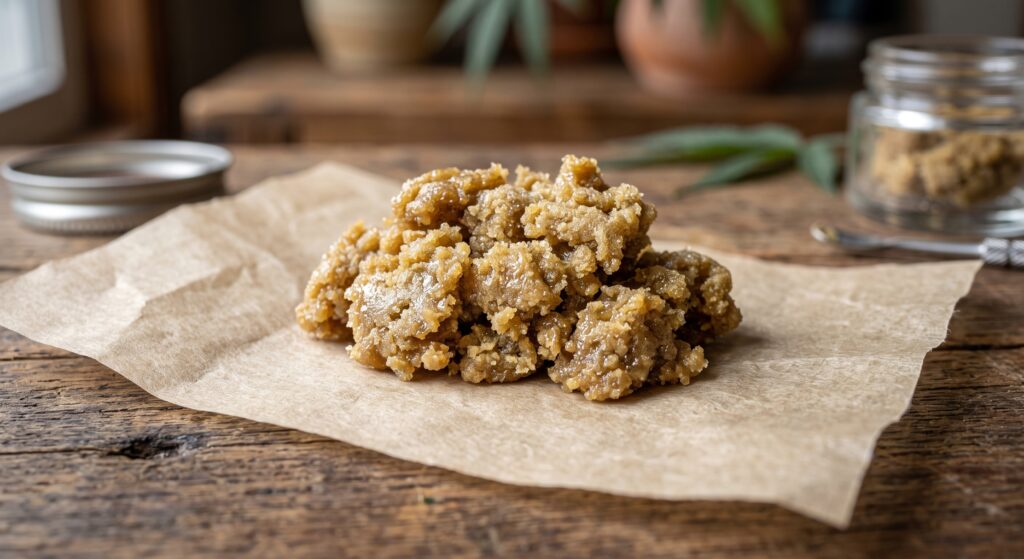
Live rosin is made through a solventless, mechanical process that preserves far more of the plant’s original cannabinoid and terpene content. That requires more starting material and a more labor-intensive extraction. On the other hand, distillate is produced in higher volumes through chemical fractional distillation, which is generally faster and less costly.
No. New Jersey’s open container law treats any unsealed cannabis item as illegal if it’s accessible within the passenger compartment, which includes an unlocked glove compartment. The product needs to remain in its original sealed packaging and be stored in the trunk.
No. Their extraction methods vary significantly. Solventless methods like rosin preserve most of the plant’s original chemistry, chemical solvent extraction can retain a partial profile, and high-heat distillation strips it down to isolated cannabinoids with little terpene content remaining.
Cool, stable conditions are the best, like a dedicated cooling drawer or refrigerator. It needs to be away from direct light and heat sources, with relatively low ambient humidity. Avoid leaving concentrates in a hot car, near any window, or next to any appliance that generates consistent heat.