
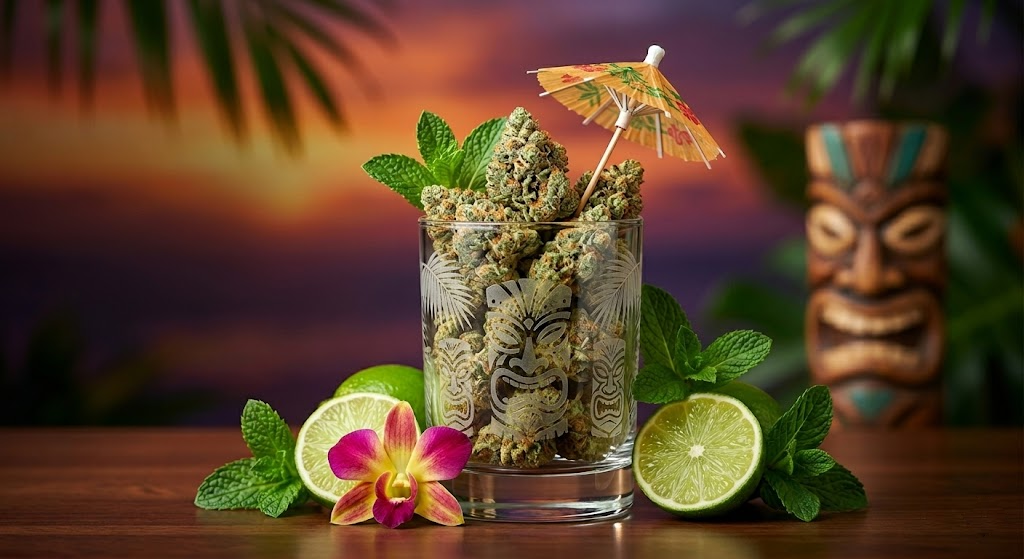
The Mai Tai strain’s smell is spot on if you’re familiar with the reference. Most cannabis strains borrow a food or drink name and leave it at that. Mai Tai actually follows through. Named after the classic cocktail, it’s surprisingly citrus-forward, tropical, and more layered than most fruit strains give you credit for. Whether you spotted it on our menu or kept hearing the name and finally looked it up, here is everything worth knowing before you try it.
Mai Tai is a sativa-dominant hybrid cannabis strain with two distinct and well-known origin stories, both of which are still commonly found in dispensaries.
Knowing which version you are holding matters because the experience, while related, is not identical.
Mai Tai rose to prominence at exactly the moment cannabis consumers started reading terpene panels instead of just circling the highest THC number on the menu.
Genuine sensory identity. Basically, the Mai Tai was born out of tiki culture, a post-war American trend in which folks craved an escape from the war’s hardships and wanted something more fun and adventurous.
Well-balanced choice. Limonene-dominant strains produce citrus that is sharp and specific rather than generically sweet. That specificity is what makes Mai Tai memorable on a menu where half the names are dessert references.
Most tropical hybrids are myrcene-forward, which produces a soft, earthy mango quality that reads as warm and grounding. Mai Tai leads with limonene, the terpene responsible for citrus rind, lemon-lime zest, and that almost-tart brightness that registers before anything else.
Two strains can be fruit-forward, but the Mai Tai strain has an edge that wakes up your palate. That edge is what makes this hybrid strain identifiable in concentrate form, across different cultivation methods, and even when the batch is slightly below peak freshness. It has a certain signature that’s resilient in a way softer fruit profiles do not have.
Most people describe the onset as social and mood-lifting. The kind of good mood that makes a slow Saturday afternoon feel like exactly where you are supposed to be.
The early phase is alert and a little buzzy. The type of headspace that makes conversation easy and creative projects feel worth starting. As the Mai Tai kick settles in, a warmer physical ease follows, but it does not drag you under. You stay present through it. It has a clear arc, and you can feel where you are in it.
Experts say the smooth and balanced ride is due to terpenes. Limonene opens things with brightness and lift. Beta-caryophyllene and myrcene come in behind it with body warmth and ease. What to watch for:
NOTE: Individual experience varies by tolerance, consumption method, and body chemistry. This is not medical advice.
Mai Tai is like a three-step drink: first you taste lime, then orange curaçao, and finally almond orgeat to finish it off. The name stuck because the sensory experience is just the same.
The finish: Linalool. A faint floral creaminess that makes the exhale feel rounded rather than sharp, and leaves you wanting another pull without knowing exactly why.
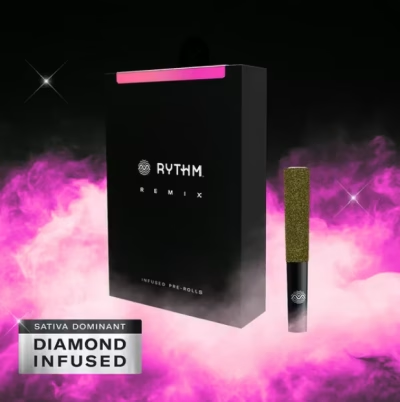
The RYTHM Remix Mai Tai is a 5-pack of 0.5g infused pre-rolls (2.5g total) built on the Maui Waui x Tutti Frutti lineage. Each one is double-infused: live THCa diamonds for potency, a kief coating for texture and an even burn, and then 100% natural terpenes added back in to keep the mango, sweet, and creamy flavor profile loud rather than muted by the infusion process. THCA readings across the Remix line range from 44 to 50 %, so this is firmly in the high-potency category.
If you already have a feel for infused pre-rolls, this is a genuinely strong way to experience what Mai Tai is about. If you are new to cannabis, grab the flower first and work up to it.
Mai Tai is commonly consumed before engaging in an activity, rather than after. The Maui Waui lineage and the limonene-forward terpene profile both point toward alert, social use: an afternoon with good company, something creative on the table, a situation where being in a genuinely good mood matters.
That being said, the RYTHM Remix pre-rolls with THCA diamonds tend to produce a heavier experience for most people, regardless of the strain’s sativa leaning. It is worth thinking about which version you are working with before you plan your evening around it.
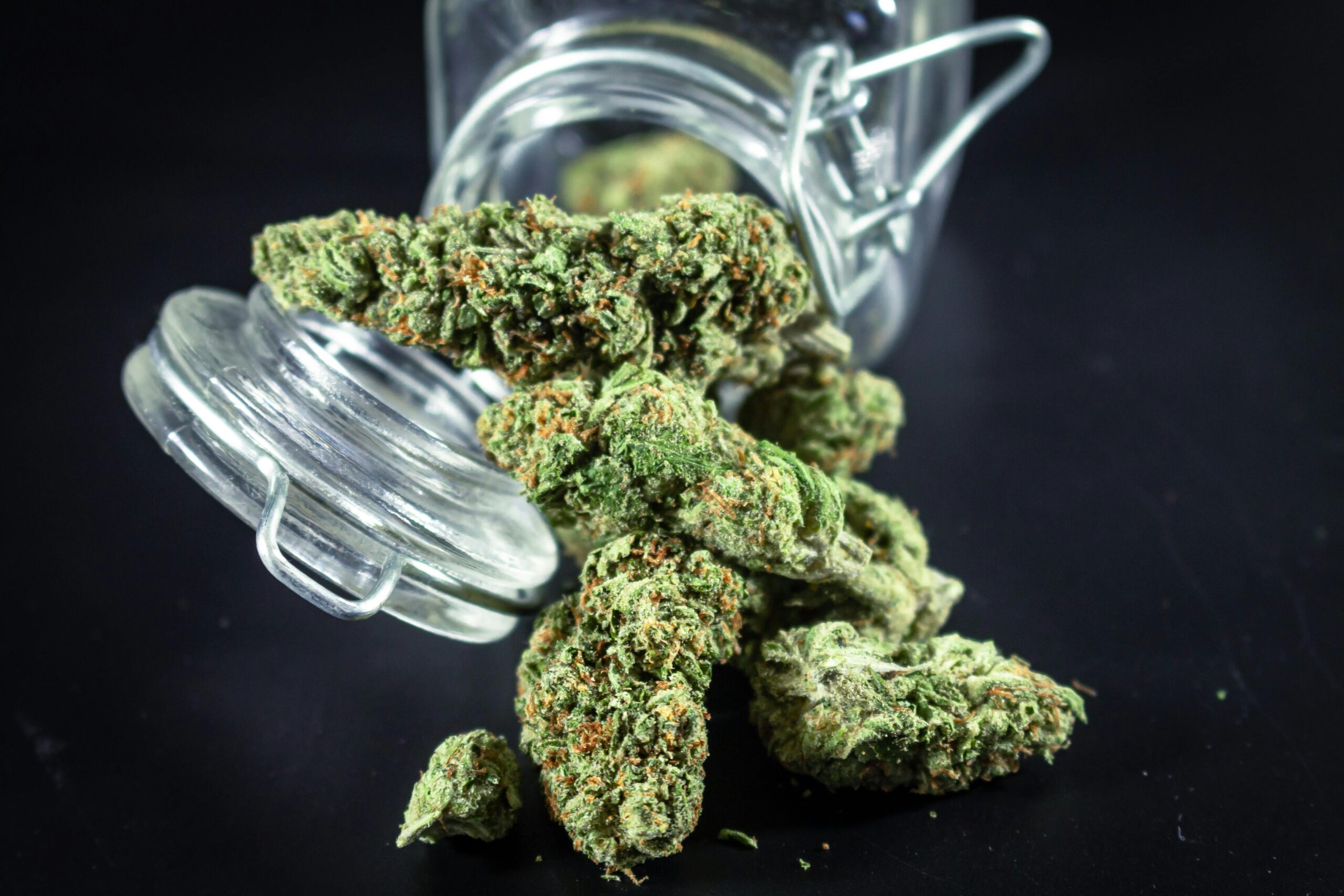
A standard Mai Tai flower tests in the mid-to-high 20s for THC, which makes it stronger for a newbie if not used correctly. The RYTHM Remix, for example, is double infused, so expect a stronger kick than usual. While the strain is the same Mai Tai cultivar, the concentration is not remotely in the same range. When trying out the Mai Tai strain, it’s best to start with just one short puff from a Remix. Or, even better, try a regular pre-roll or flower to give yourself something to calibrate against first.
A few things consistently come up with Mai Tai.
And, starting a session already stressed or rushed works against what this strain does well, because Mai Tai’s sociable, uplifting quality shows up best when the environment is already halfway there.
Nobody orders a Mai Tai in a rush. The cocktail was built for leisure, and the strain follows the same logic. A relaxed living room, an easy evening, a conversation that has room to wander, that is the environment where this one does its best work. Good ventilation, a comfortable temperature, and people you actually like being around tend to be enough.
Proper storage is the difference between Mai Tai and a generic herbal smell in a jar.
UV light and oxygen are the two things working against you here. Cannabis exposed to light at room temperature degrades faster than cannabis stored in dark, controlled conditions. For a citrus-forward strain, the aromatic character comes first, well before potency drops, which is why this matters more for Mai Tai than for something like an OG or a kush, where earthier, more stable terpenes carry the profile.
An airtight glass jar with a humidity control pack is the right call. Glass does not off-gas anything that affects flavor, maintains stable moisture, and protects the terpenes you paid for. Keep it closed between uses. Every time you open the jar, volatile limonene trades places with room air, and those losses add up faster than you would expect.
Mai Tai flowers or pre-rolls are as sensitive as newly bought herbs. Leave them out on the counter and they are done in two days. The targets are simple: 60 to 70 degrees Fahrenheit, 58 to 62 % humidity, and somewhere dark. Think of a cool kitchen drawer where you keep your usual condiments. Freezing feels like the right call but it is not. Trichomes do not survive it intact, and a consistent cool temperature indoors does the job better anyway.
After one session, it’s easy to tell if Mai Tai is a strain worth keeping in your rotation. Its characteristic flavor profile renders it readily distinguishable from options lacking in intensity or interest. Tropical, citrus-forward, and more nuanced than its name might suggest at first glance. You either like it from the get-go, or you don’t.
Mai Tai is a sativa-dominant hybrid. It crosses Maui Waui with Tutti Frutti, producing an alert, mood-forward onset, followed by a warm physical ease. It is active rather than sedating.
Flowers typically test between 26 and 32 % THC. With infusions like the Remix prerolls featuring live THCa diamonds and kief, the overall THC levels can go beyond and potentially reach twice the normal amount.
Sharp citrus first, then a candy-sweet tropical layer, finishing warm and lightly creamy. It tastes like the cocktail it is named after: lime-forward, fruity in the middle, smooth at the end. The progression is the whole point.
Most consumers report two to three hours, with the uplifting onset peaking early and the body easing in through the second half. Potency, tolerance, and format are all factors that impact duration. When infused, effects may last longer.
Yes, the flower version is approachable if consumed slowly. However, infused flowers or pre-rolls might not be for newbies.
Yes. The limonene-dominant profile is sharp and immediate on opening the jar. It smells specifically of citrus rind and tropical fruit, not generically herbal. It is one of the more recognizable aromas in the hybrid category.